Scaling Autonomous Mobility: Pony.ai CEO James Peng on Global Expansion, Partnerships and the Economics of Robotaxis
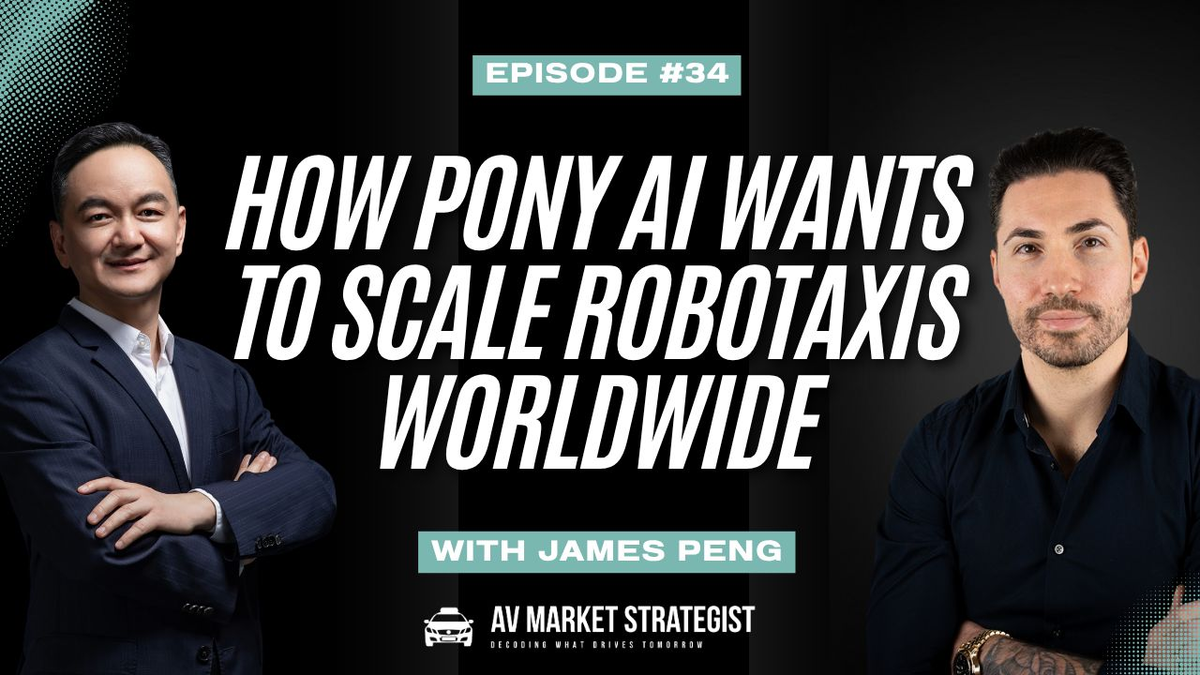
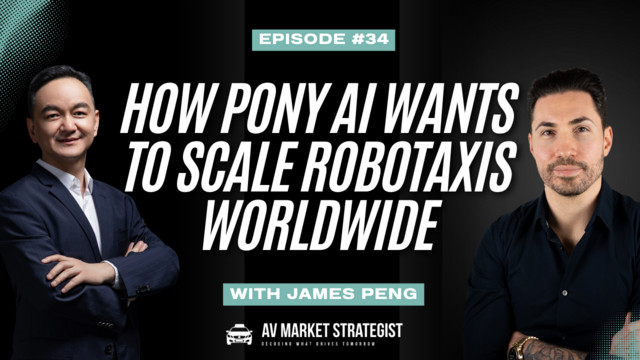
In a recent episode of the Autonomy Insiders podcast, Pony.ai Founder and CEO Dr. James Peng joined host Daniel Abreu Marques to discuss the company's journey toward large-scale commercialization of autonomous driving.
From expanding Robotaxi fleets and building sustainable business models to navigating European city streets, James shared his perspectives on what it takes to bring fully driverless mobility to more markets worldwide. The conversation also explored Pony.ai's joint deployment model, growing international presence, and how technologies such as PonyWorld 2.0 are accelerating global expansion.
The following conversation has been edited and condensed for clarity and readability.
Autonomy Insiders: Pony.ai aims to grow its Robotaxi fleet to more than 3,500 vehicles by the end of 2026. How are you approaching this expansion, and what are the biggest challenges?
James Peng: We follow what I call a T-shaped strategy. The horizontal part represents expanding into more cities, where we may initially deploy smaller fleets to establish our capabilities. The vertical part represents increasing fleet density in cities where we already operate, which helps improve unit economics.
Both are important to our growth strategy.
Scaling autonomous driving is a complex undertaking. It's not just about manufacturing more vehicles. We also need regulatory approvals, operational capabilities, charging and maintenance infrastructure, and the right local partnerships. All these elements have to come together.We're making good progress toward our 2026 fleet target, and continuing to scale remains one of our top priorities.
Autonomy Insiders: How does Pony.ai's joint deployment model work, and why is it important for scaling Robotaxi operations?
James Peng: If you look at a traditional taxi business, there are four main roles: customer acquisition, vehicle ownership, driving, and fleet operations, including charging, cleaning and maintenance. Pony.ai's core strength is providing the Virtual Driver.
In our early deployments, we handled nearly all these responsibilities ourselves because we needed to prove that the business model could work. With our Gen-7 Robotaxis achieving positive vehicle-level unit economics in our core operating markets, we now have a stronger foundation for expanding through partnerships.
Under our joint deployment model, different partners can take on different responsibilities. Ride-hailing platforms such as Uber can connect passengers with Robotaxi services, while fleet owners and operators manage vehicle ownership and daily operations. The arrangement can vary across markets, but our role as the autonomous driving technology provider remains consistent. This flexibility allows us to work with partners who bring local expertise, operational capabilities and resources to support deployment.
Autonomy Insiders: Zagreb has become an important milestone for Pony.ai in Europe. What have you learned from operating there, and how does that experience support further expansion?
James Peng: Zagreb is a great example of how our technology can adapt to different driving environments. European cities have their own traffic characteristics. In Zagreb, for example, there are many more roundabouts than we typically encounter in our existing operating environments. Trams also share the road with other vehicles, introducing additional scenarios for our autonomous driving system to navigate. Our extensive real-world driving experience gave us a strong technical foundation, while our partners Verne and Uber played an important role in helping us adapt to local conditions and navigate regulatory requirements.
We launched commercial Robotaxi services in Zagreb in April and began fully driverless passenger test rides in September. That experience gives us greater confidence as we expand into other European markets.
When selecting new cities, we work closely with our partners and consider factors such as market demand, regulatory readiness, local government support and public acceptance. London and Manchester offer different opportunities, but both are important markets for building experience and establishing a foundation for broader European expansion.

Autonomy Insiders: Beyond Europe, Pony.ai has also expanded into the Middle East. What makes the region attractive for autonomous mobility?
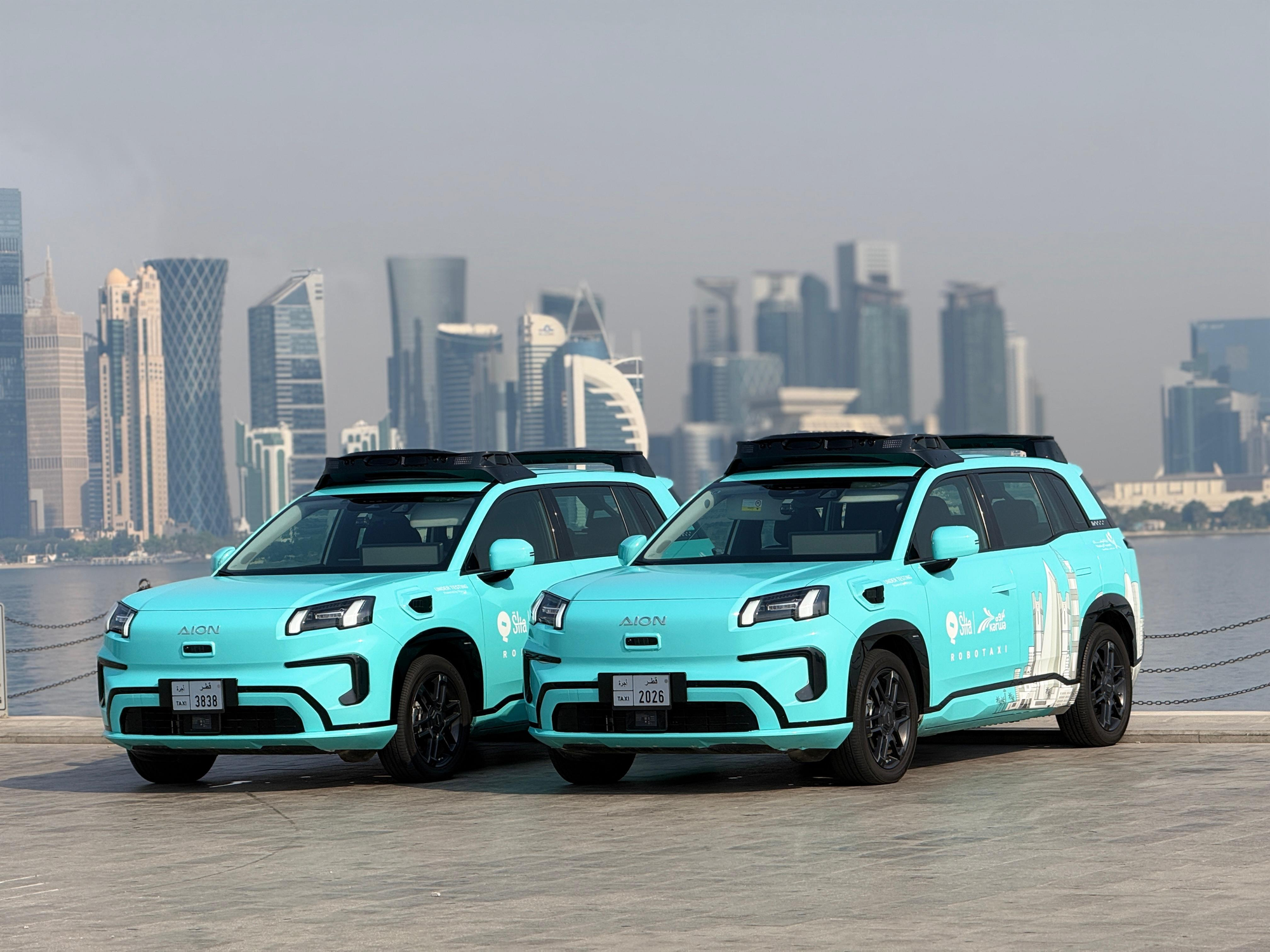
James Peng: The Middle East, particularly the Gulf region, has shown strong support for autonomous driving. Markets such as Dubai and Doha have taken proactive steps to encourage autonomous mobility, creating a supportive environment for testing and deployment. There's also strong transportation demand and growing interest in new mobility technologies.
Local partnerships are essential. In Doha, for example, our collaboration with Mowasalat (Karwa), a major local transportation operator, has been instrumental in bringing our Robotaxi services to the market.
We see the Middle East as an important part of our global expansion strategy and will continue working with local partners and authorities to bring autonomous mobility to more people.
Autonomy Insiders: Pony.ai has achieved Robotaxi unit economics breakeven in Guangzhou and Shenzhen. What does that milestone mean for the business?
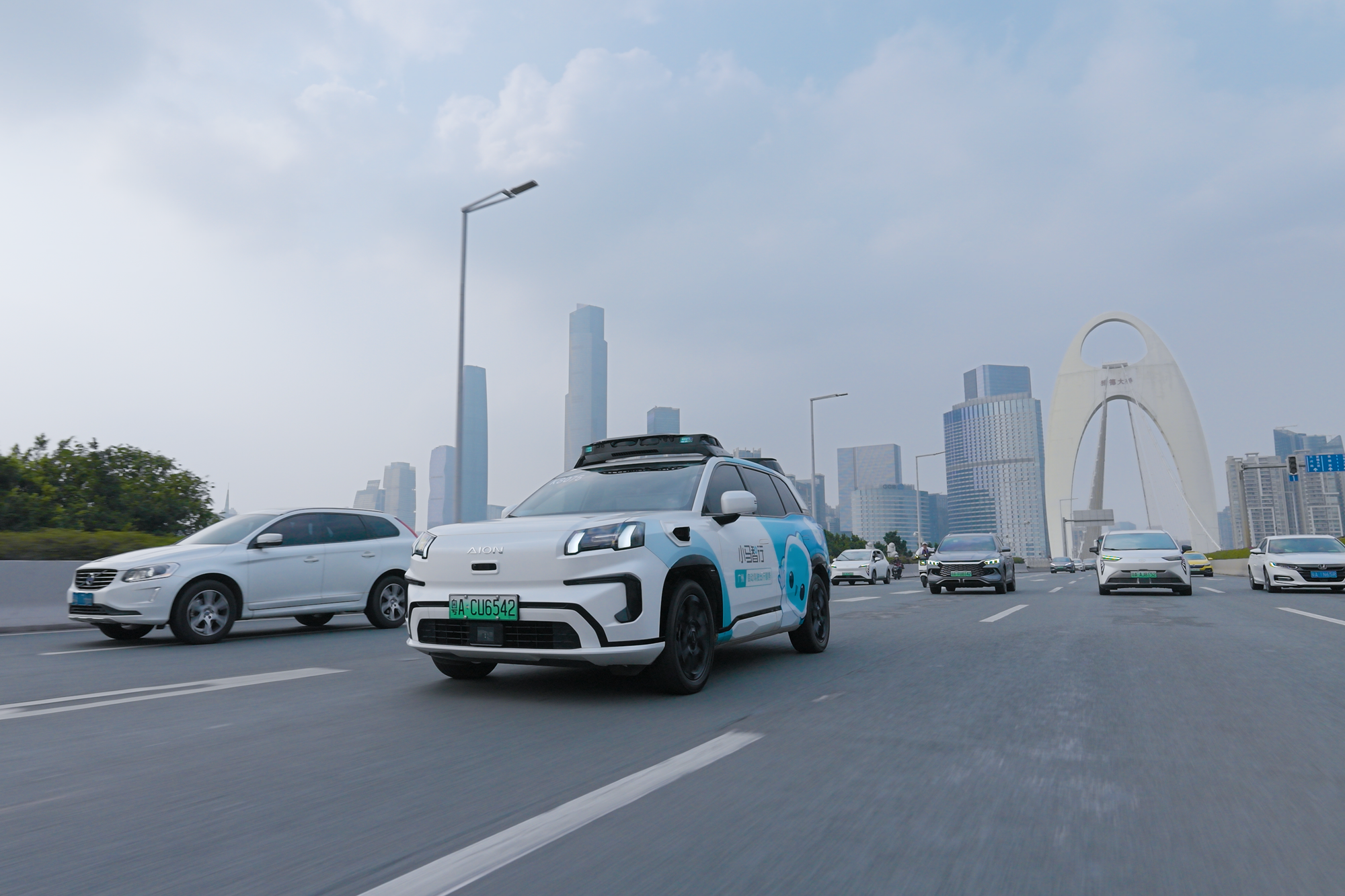
James Peng: It's an important milestone because it demonstrates that Robotaxis can operate as an economically sustainable service at the vehicle level.
When we calculate unit economics, we include the major costs associated with operating a Robotaxi, such as vehicle depreciation, electricity, insurance, cleaning, maintenance, parking, remote assistance and customer acquisition.
We compare these costs with the fare revenue generated by each vehicle. When revenue exceeds operating costs, we achieve a positive unit economics margin.
Research and development costs are accounted for separately, so positive vehicle-level unit economics doesn't mean the entire company has reached profitability. But it gives us confidence in the underlying business model. It also provides a foundation for our joint deployment model, allowing partners to participate in the business while we continue focusing on our core autonomous driving technology.
Autonomy Insiders: How does PonyWorld 2.0 help Pony.ai bring its autonomous driving technology to new markets more efficiently
James Peng: When we enter a new city, we need to validate our autonomous driving system against local traffic conditions and ensure it meets our safety requirements. Real-world testing remains essential, but simulation allows us to test scenarios many more times and explore situations that may be difficult to encounter consistently on public roads.
PonyWorld 2.0 is our high-fidelity simulation and verification framework. It allows us to recreate real-world driving scenarios, generate additional variations and conduct extensive testing in a virtual environment.
Take roundabouts in Zagreb as an example. We can incorporate those scenarios into PonyWorld and use them to further train and validate our autonomous driving system. This significantly improves engineering efficiency.
As we expand into more cities and introduce new vehicle platforms or software versions, PonyWorld helps us accelerate development and validation without increasing engineering resources at the same pace.
Ultimately, scaling autonomous mobility requires both technological capabilities and commercial sustainability. Our focus is on bringing those elements together to make fully driverless transportation available in more cities around the world.

 Daniel Abreu Marques