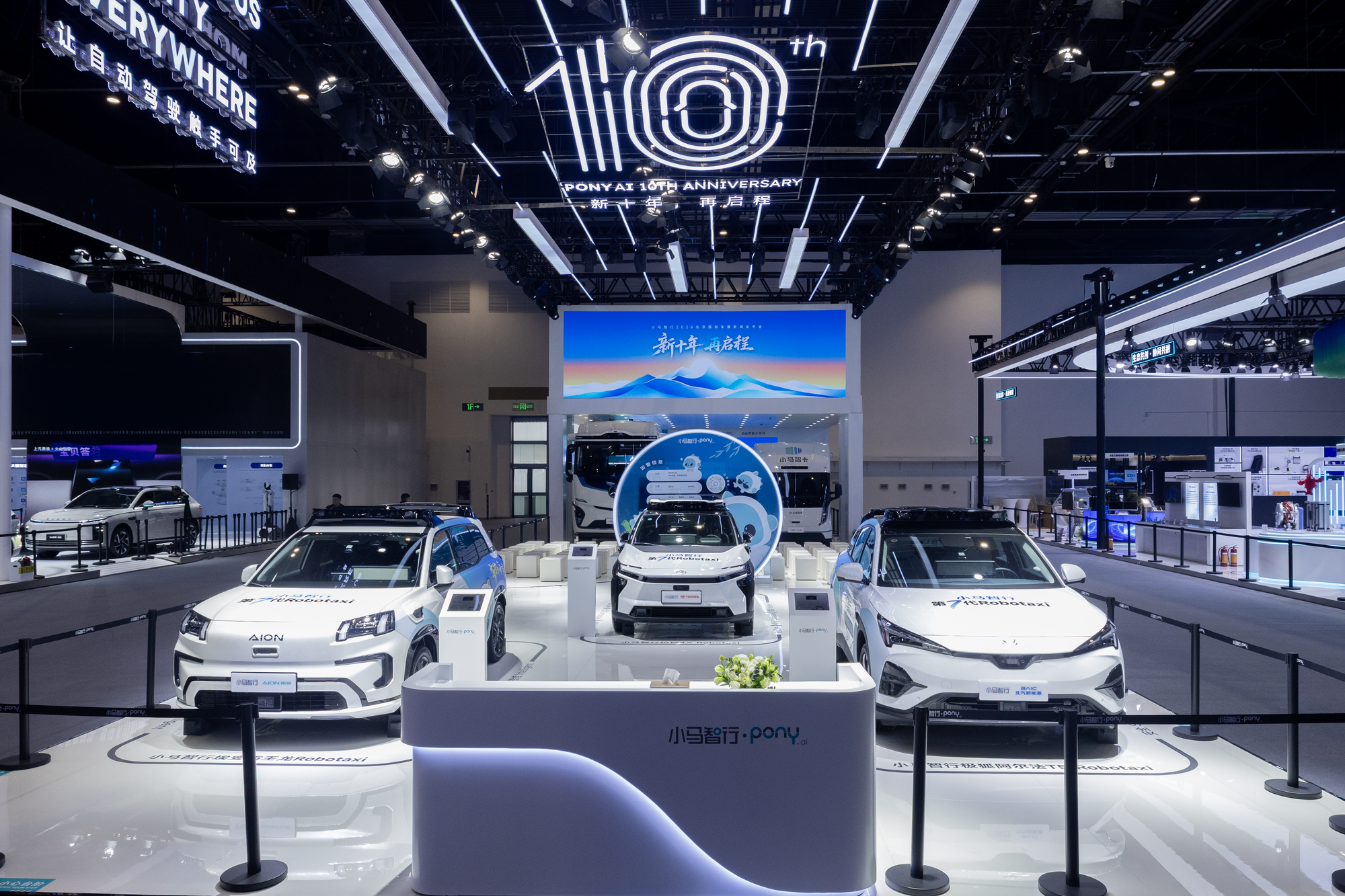
Pony.ai at Auto China 2026
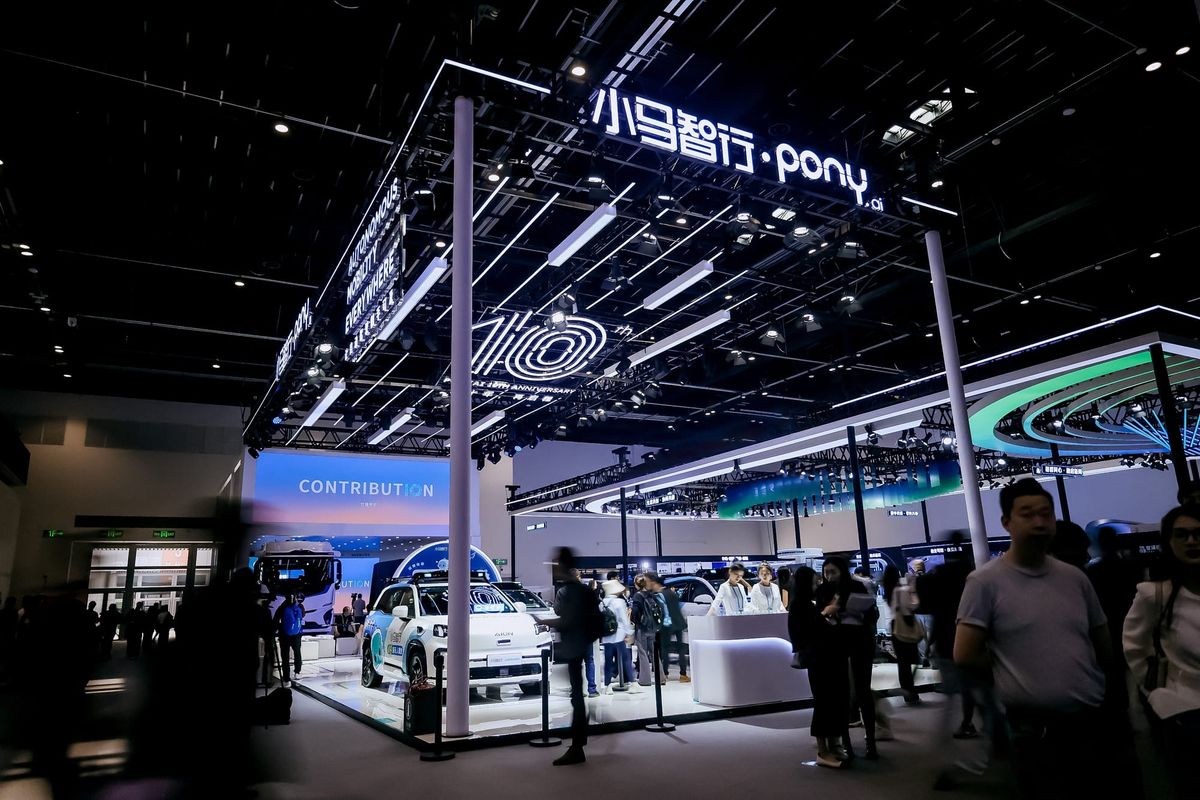
One event. Three major updates. A new decade begins.
At Auto China 2026, Pony.ai set out a clear roadmap for the next stage of autonomous mobility:
- a target to bring total Robotaxi vehicle cost (including base vehicle, autonomous driving kit, battery etc.) below RMB 230,000 (about US$33,000) per car
- the debut of the world’s first fully automotive-grade, fully redundant L4 driverless light truck
- a deeper look into the company’s new-generation autonomous driving foundation, including the evolution of its PonyWorld world model.
As Pony.ai enters its tenth year, the focus is firmly on what comes next.
Under the theme “A New Decade, A New Journey”, we are defining the starting point for the next ten years: bringing benchmark L4 autonomous driving solutions to passenger mobility and freight transportation, from city streets to intercity corridors, marching firmly towards our vision: Make Autonomous Mobility Everywhere.
01 — Robotaxi Becomes a New Way to Move, with Cost Set to Drop Below RMB 230,000
Autonomous driving has gone through hype cycles, shifting expectations, and repeated industry reshuffling. Through it all, Pony.ai has stayed focused on one goal: turning autonomous driving from a futuristic concept into a trusted part of everyday life.
Today, Pony.ai Robotaxi is no longer an experiment. It is becoming a real transportation choice for more riders in more daily scenarios.
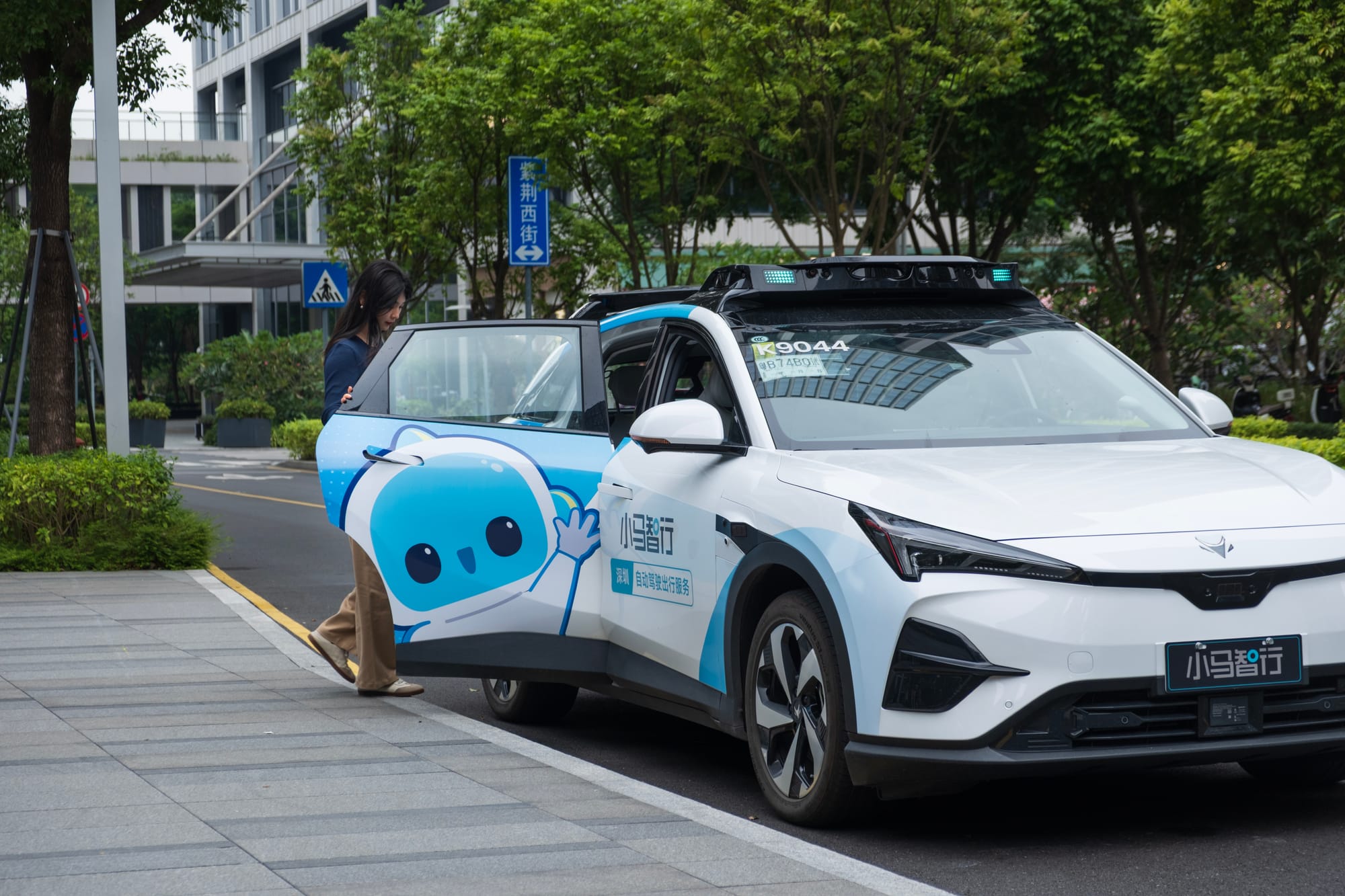
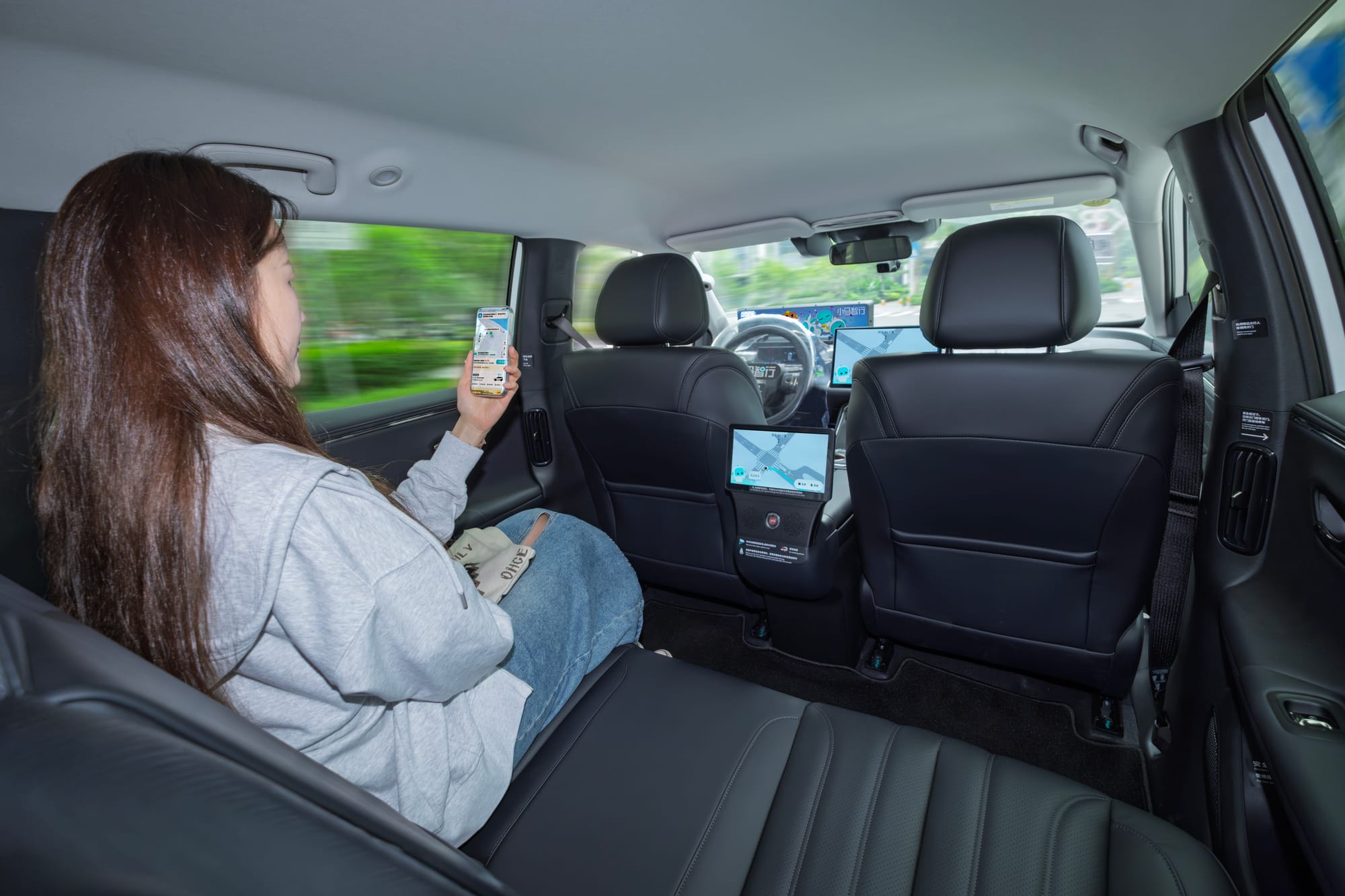
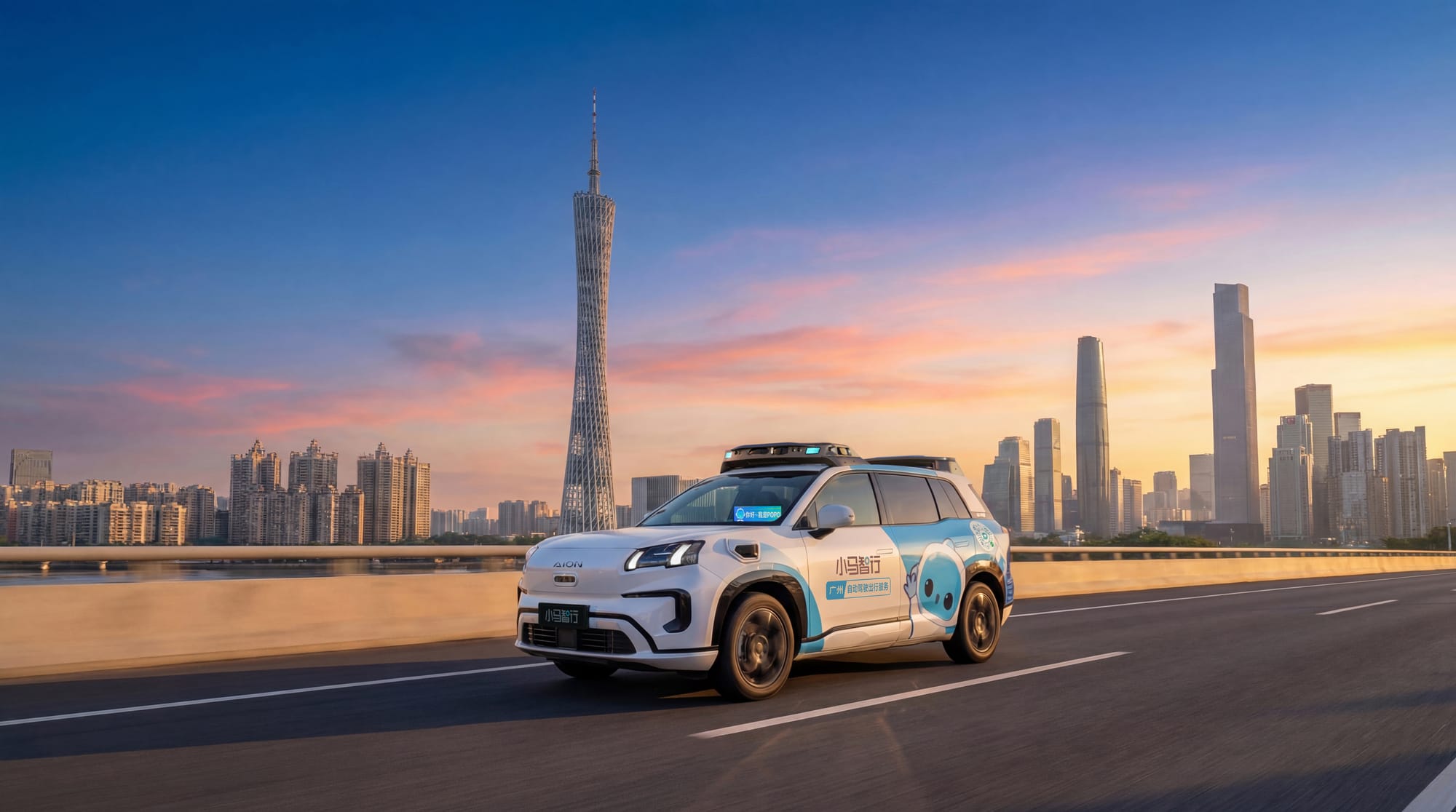
When AI takes the wheel, the car becomes more than a vehicle. It can be a safe and private space late at night, a quiet meeting room during a conversation, a new source of independence for people with limited mobility, or a more relaxed cabin for families traveling with children.
Autonomous driving does not just make transportation easier. It changes what mobility can feel like.
Behind it all: true L4 capability, backed by true driverless operations
What makes that experience possible is not one breakthrough, but the combination of two foundational strengths: full-scenario, all-weather L4 autonomy and a fully driverless fleet operations system.
On the autonomy side, Pony.ai has long moved past the question of whether a robotaxi can drive. In the dense traffic of Guangzhou and Shenzhen, on narrow and complex urban roads, through heavy rain and at night, our system has demonstrated safety and stability that can surpass human drivers in real-world conditions.
But a driverless service is not only about vehicle intelligence. It also depends on what happens behind the scenes.
Fleet operations are an essential part of the system. To ensure every vehicle responds reliably and safely, rain or shine, Pony.ai has built an operating framework covering dispatch, retrieval, charging, cleaning, maintenance, and daily fleet management. This is the backbone of a high-quality autonomous mobility service.
Pony.ai expects the total cost of its 2027 Robotaxi to fall below RMB 230,000.
That means a fully L4-capable Robotaxi could cost less than some of today’s bestselling L2 passenger vehicles.
This is more than a cost milestone. It is a scale milestone.
It reflects years of technical refinement, as well as the strength of China’s world-leading new energy vehicle supply chain. More importantly, it creates new momentum for large-scale deployment.
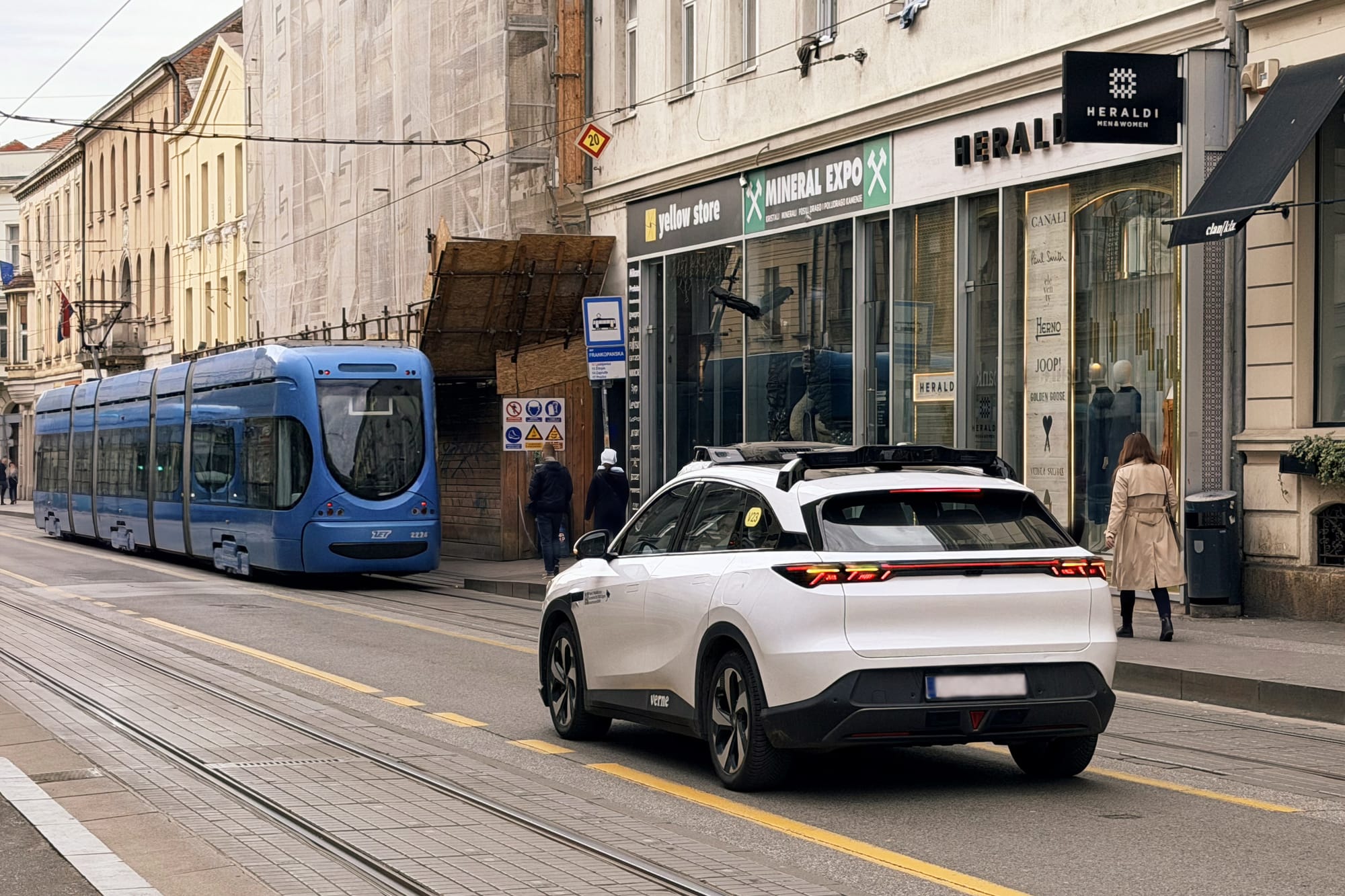
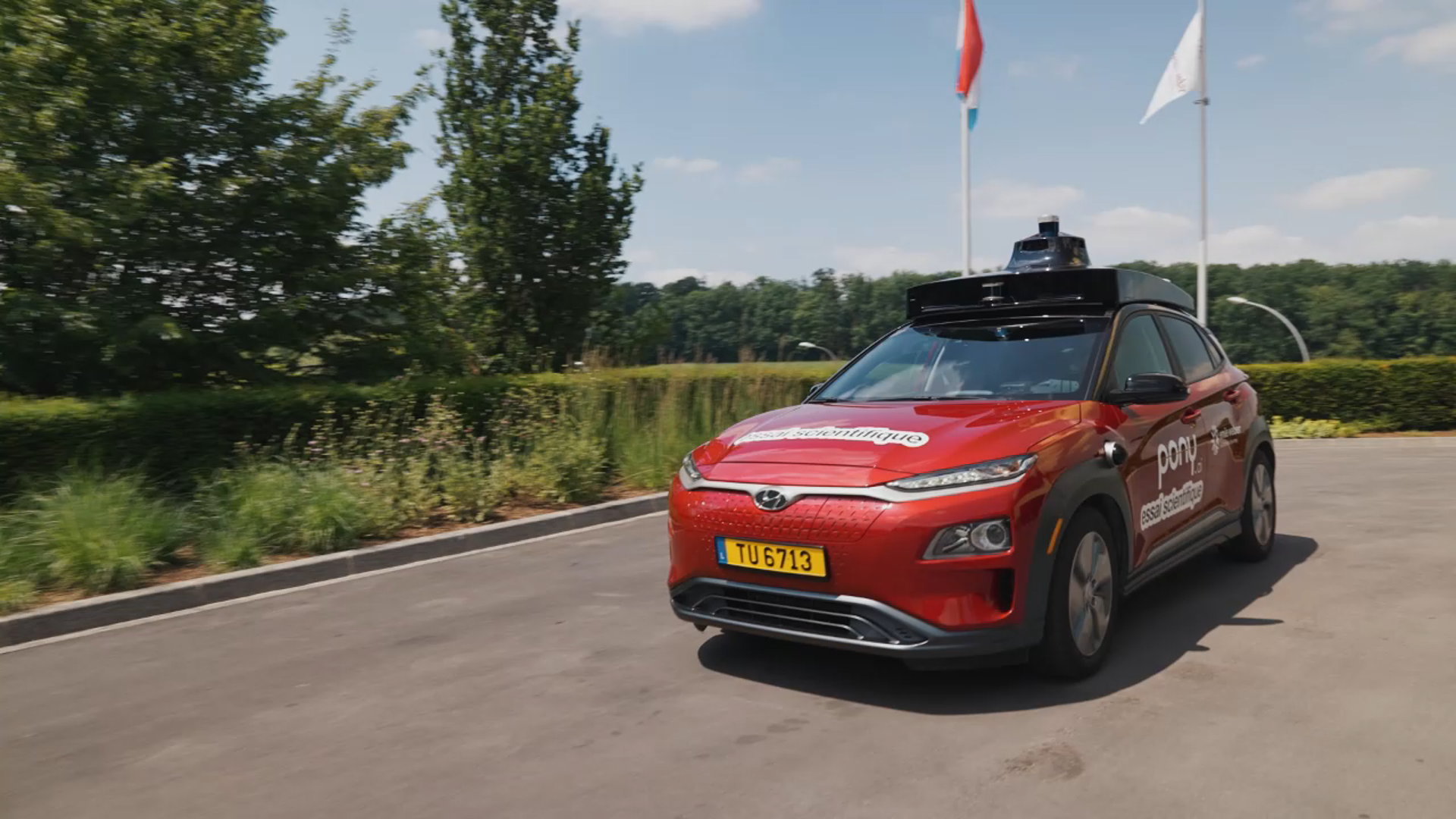
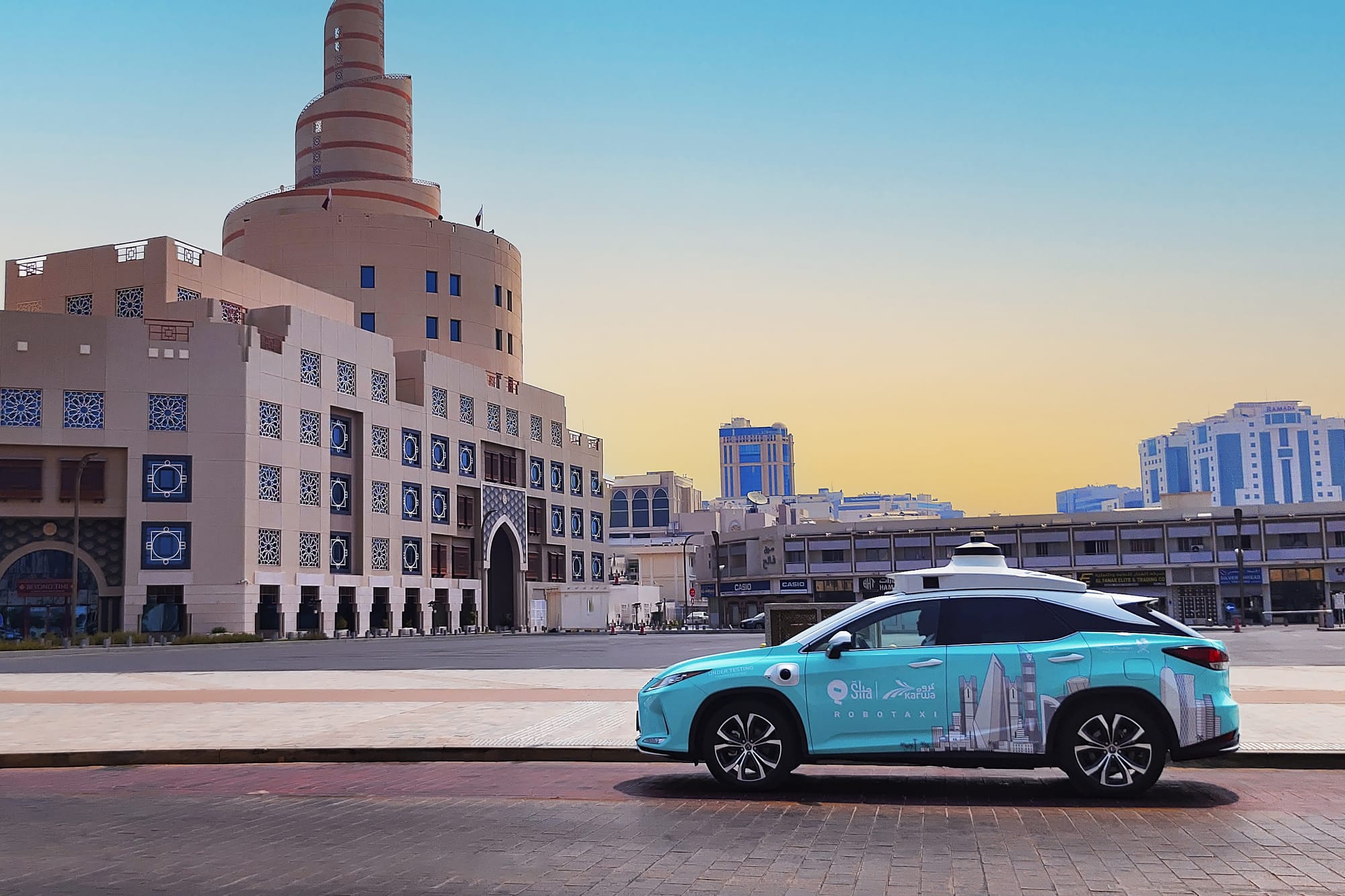
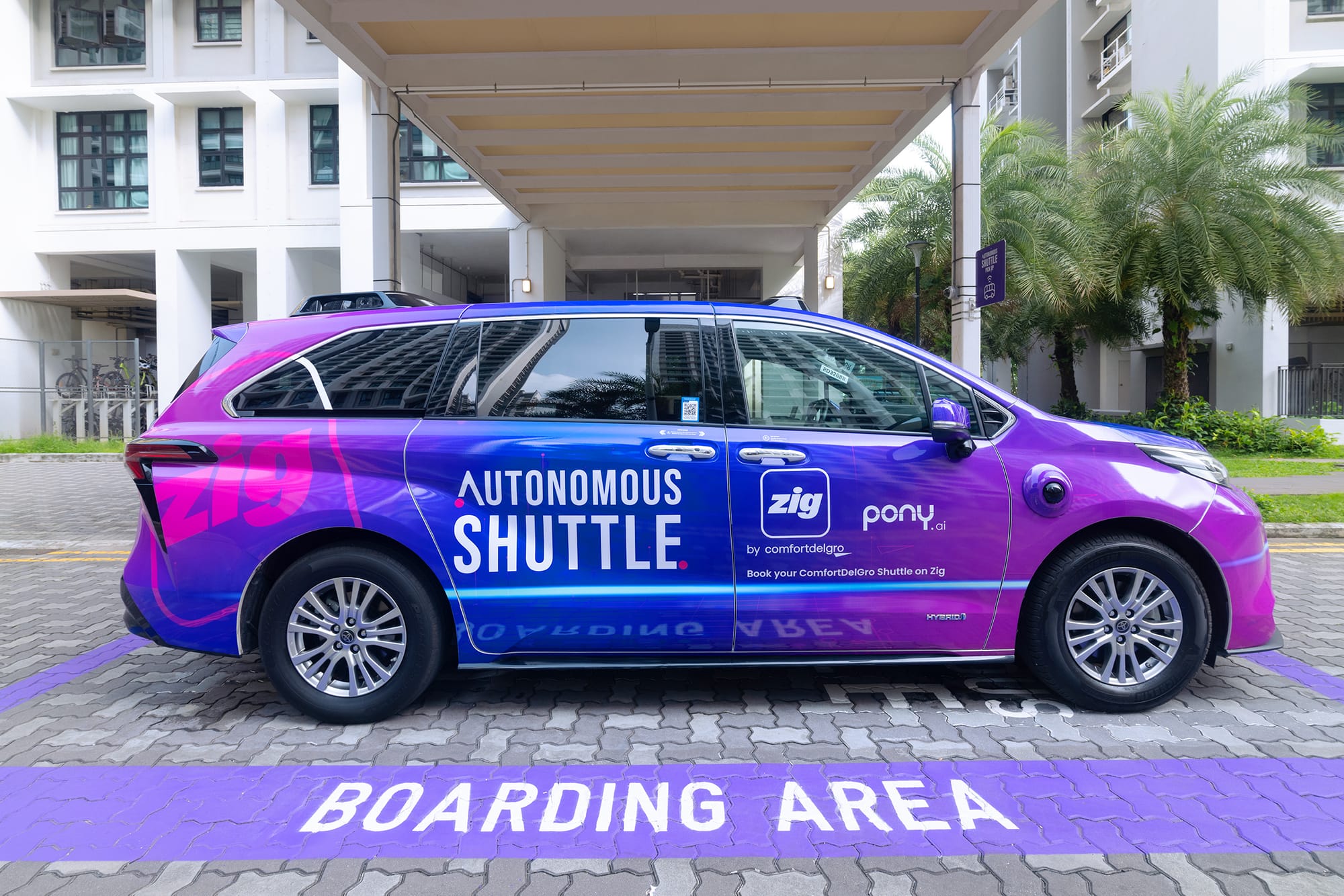
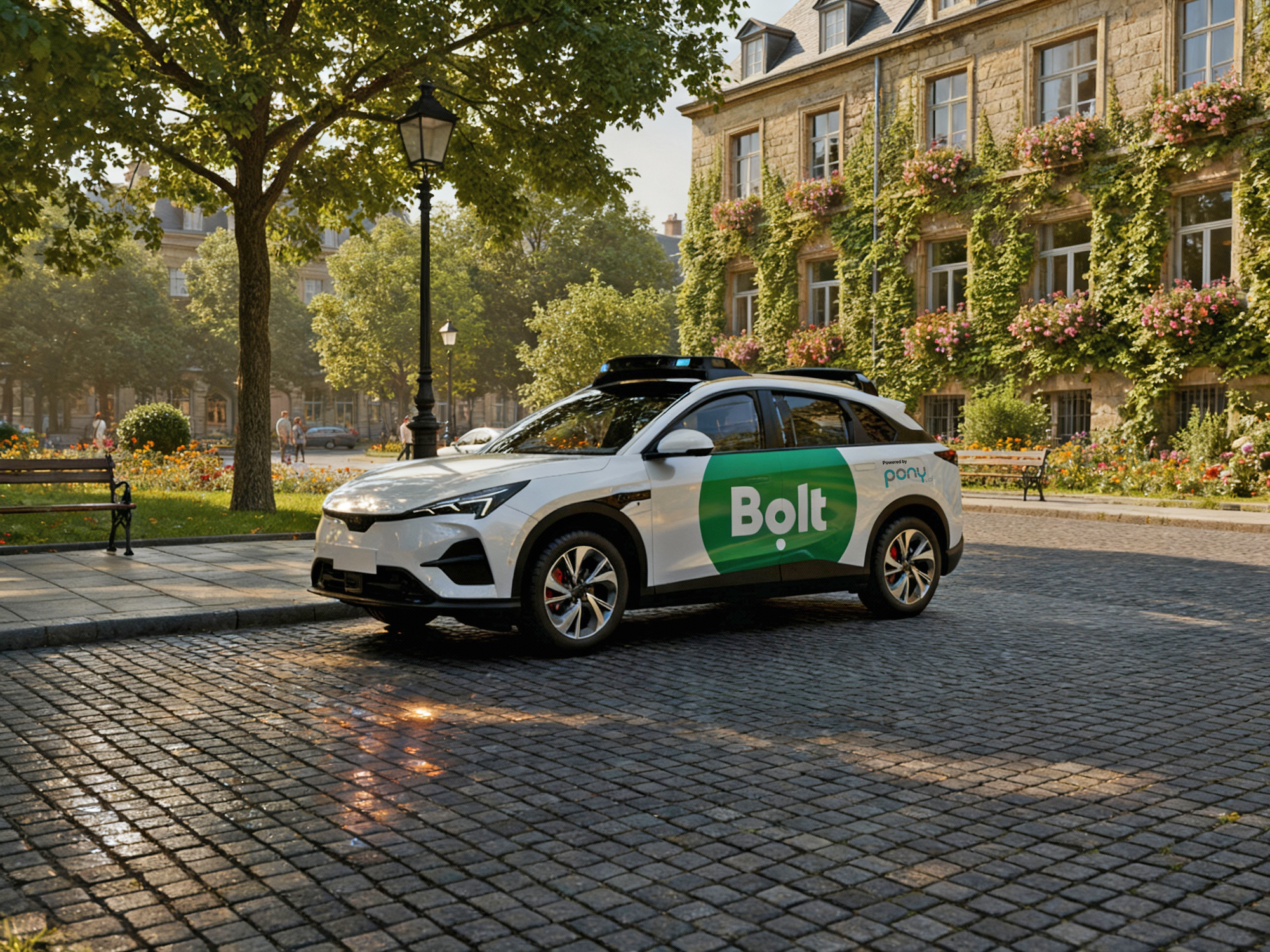
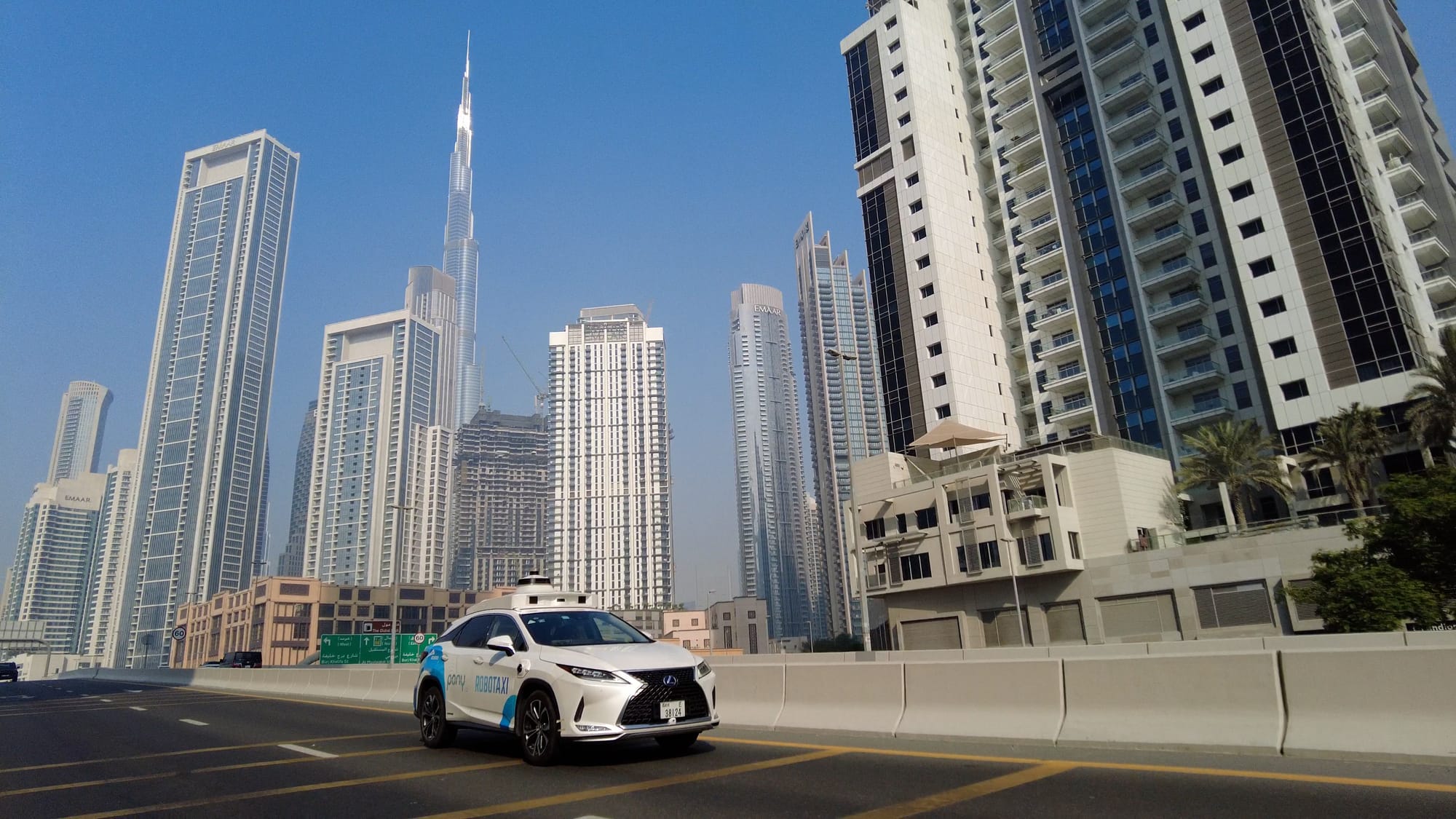
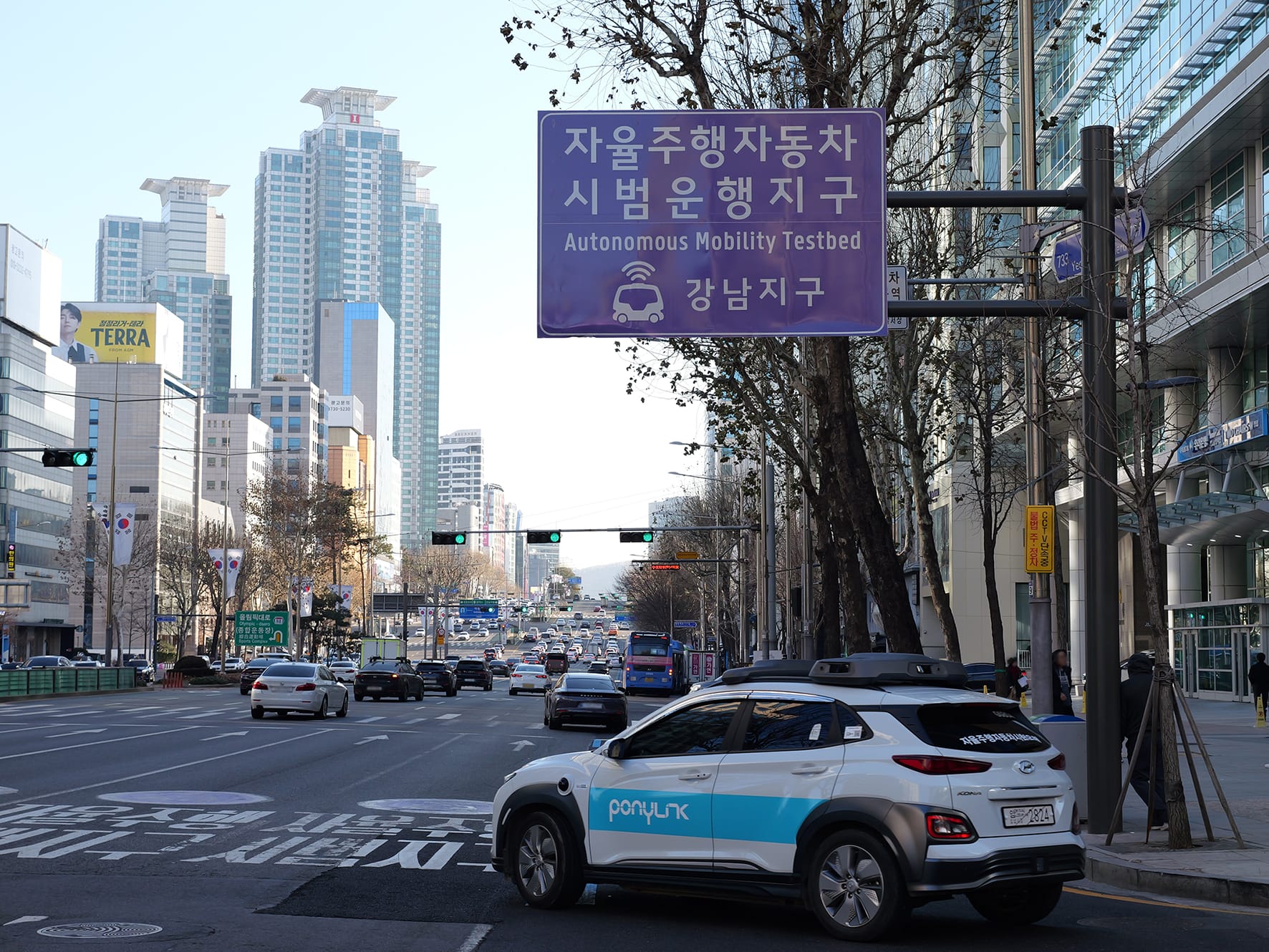
We plan to translate this cost advantage into faster rollout, deeper commercial reach, and broader global expansion. Based on this platform, the company will also launch an international version tailored to local compliance requirements, infrastructure conditions, and user needs, supporting deployments of more than 1,000 units in overseas markets.
In 2026, our goal is to scale the Robotaxi fleet beyond 3,000 vehicles, continue refining and replicating our proven business model in core markets including Beijing, Shanghai, Guangzhou, and Shenzhen, and expand our geographic footprint to over 20 cites around the world.
02 — Introducing World's First Fully Automotive-Grade, Fully Redundant L4 Light-Truck
Pony.ai unveiled a new vehicle for the future of urban freight: the L4 driverless light-duty truck.
This is not a standalone product built in isolation. It is born from the same technology and operational DNA that powers our Robotaxi platform.
It shares three core capabilities:
- the ability to handle complex urban road scenarios,
- a mature fully driverless operations system, and
- a highly optimized automotive-grade autonomous driving kit.
From day one, the product is designed for large-scale L4 deployment in urban logistics. Combined with Pony.ai’s years of freight experience, customer network, and business resources, it provides a strong foundation for entering one of the world’s largest urban logistics markets.
Built on the CATL Kunshi chassis platform and developed together with partners, this new model is the world’s first fully automotive-grade, fully redundant L4 driverless light-duty truck.
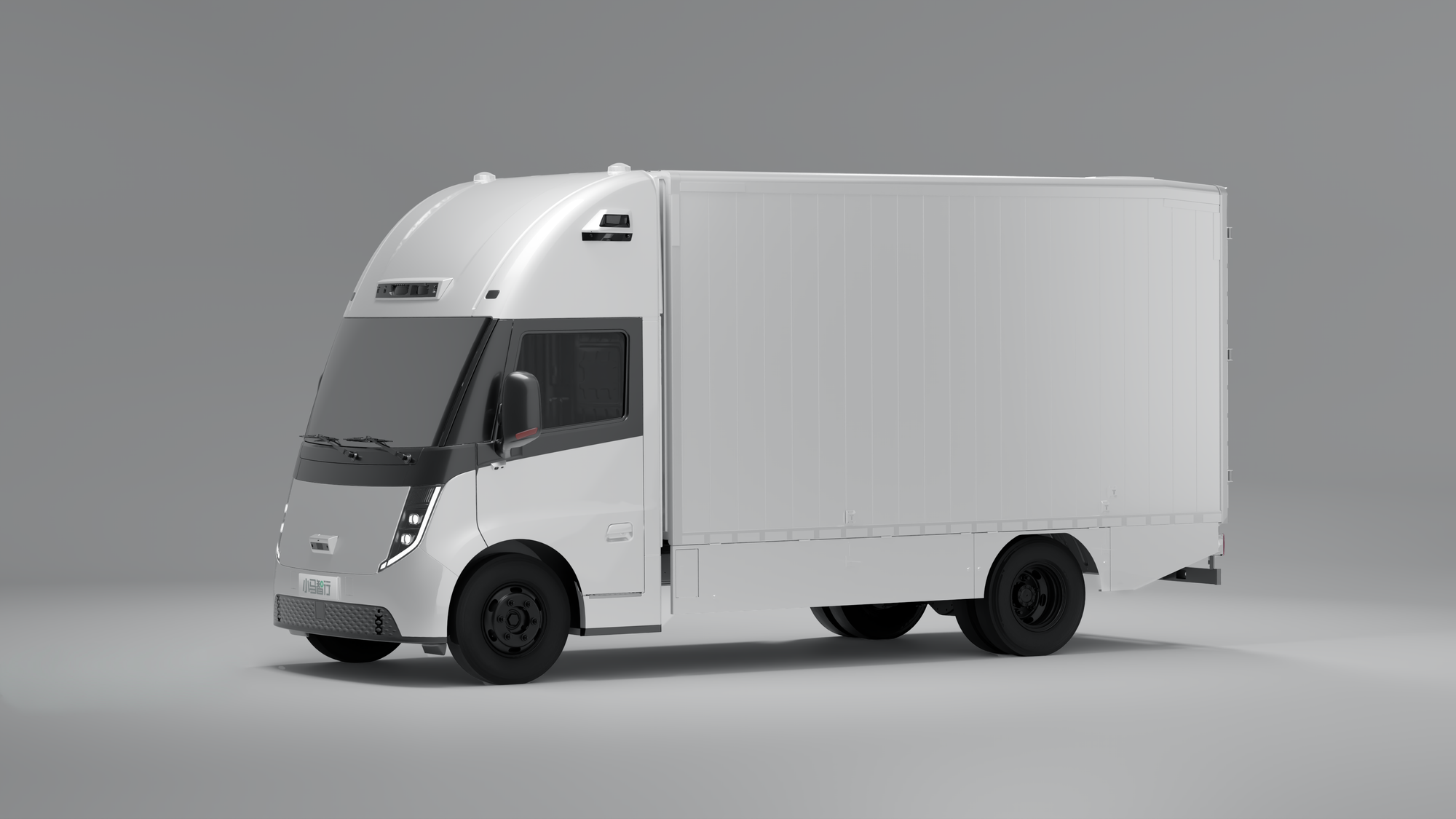
It marks a significant step forward in technology, safety, and economics.
Light-duty trucks are the dominant vehicle type in urban logistics. They move supermarket goods, express parcels, fresh produce, and the everyday essentials that keep cities running. But the segment faces growing pressure from rising labor costs and a widening driver shortage.
We believe this new vehicle can fundamentally change that.
More scalable
It is the first to combine true full-scenario L4 capability, a fully automotive-grade system, and full redundancy for safety.
More economical
It can reduce freight cost per kilometer by 40% to 50% compared with conventional human-driven delivery.
More efficient
Its cargo box transport volume per trip is 2.6× that of low-speed autonomous delivery vehicles.
As L4 autonomy proves its commercial value in passenger transportation, Pony.ai is now extending that benchmark solution into urban logistics, building on its existing Robotruck business—unlocking a seamless path from trunk line logistics, dedicated-route logistics and port transportation to urban distribution, and bringing real cost savings and efficiency gains to customers and the logistics industry at large.
03 — From PonyWorld 1.0 to 2.0: Building the Accuracy Flywheel
To understand how Pony.ai continues to improve the capability and safety of its AI "Virtual Driver", it helps to look at the broader evolution of AI itself.
The first phase is when AI learns by imitation—moving from underperforming humans to approaching human capabilities.
The second phase is when AI begins to outperform humans, powered by reinforcement learning and guided optimization.
The third phase begins when AI has advanced so far that humans can no longer fully understand or evaluate every scenario. At that point, AI must begin to improve through autonomous learning—knowing where it is weak, knowing what it needs, and knowing how to get better, by itself.
Autonomous driving has followed a similar path.
In 2020, Pony.ai began developing its world model PonyWorld 1.0, entering a reinforcement learning-driven phase. Last year, we began evolving toward PonyWorld 2.0—a more advanced system designed to give AI the ability to diagnose and improve itself.

Why PonyWorld 1.0 was't enough
Human driving data alone will never be enough for large-scale autonomous deployment. That is because society expects a higher safety standard from AI drivers than from human drivers.
PonyWorld 1.0 gave our AI a virtual training ground: a simulated environment where it could improve its driving capabilities through reinforcement learning. This approach has since become a broader industry consensus, and it has helped autonomous systems improve dramatically over the past several years.
But for L4, safety has no ceiling.
That is why Pony.ai is now building PonyWorld 2.0.
The updated system can identify weakness on its own: where the AI driver still underperforms, where the fidelity and realism of the world model is still insufficient, and what new data must be collected to make the system better.
Better fleet data improves model accuracy. Better accuracy trains better AI drivers. Better AI drivers generate better real-world data. This is the accuracy flywheel.
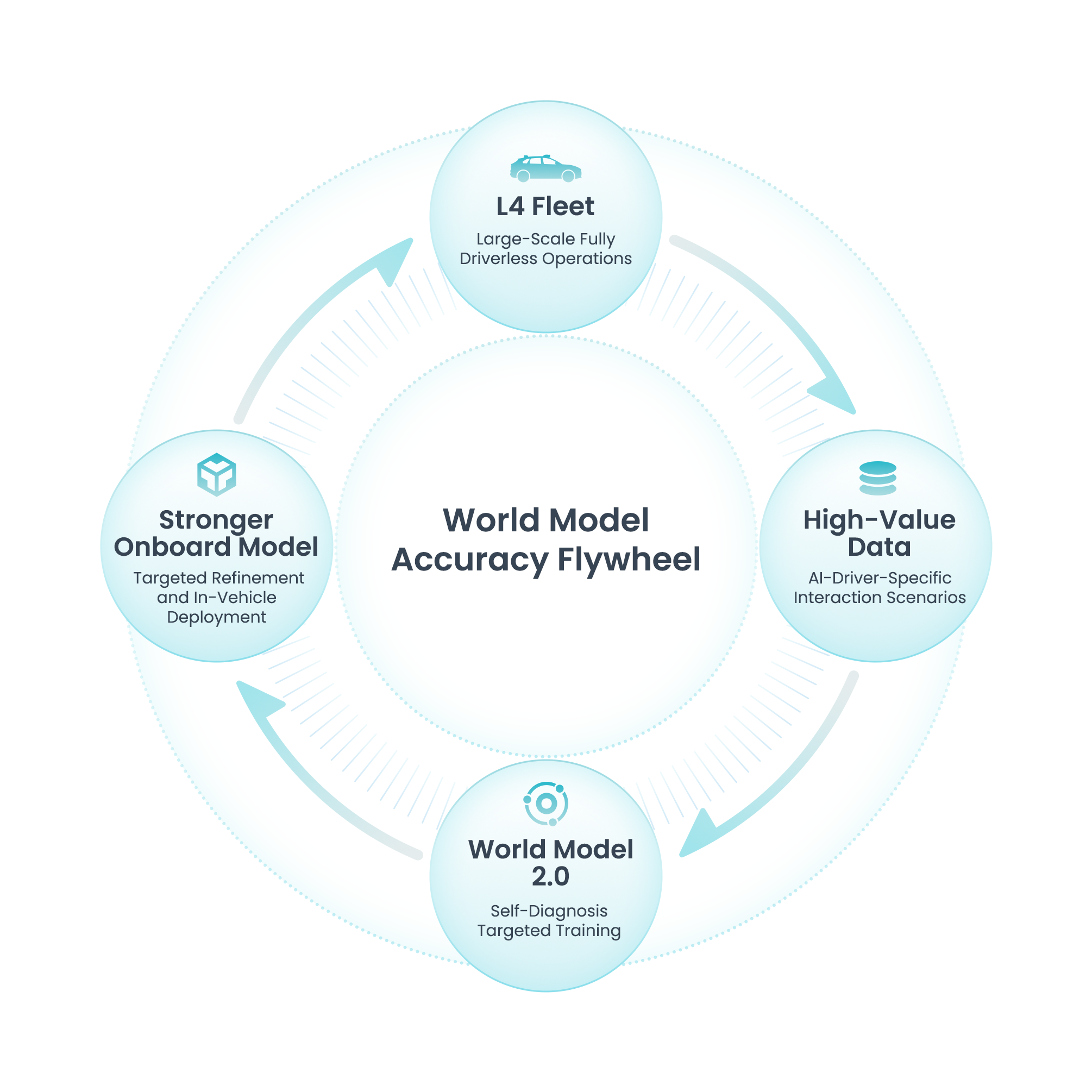
Only a large-scale L4 driverless fleet can generate the kind of high-value data needed to push a world model beyond the limits of human intuition. That data improves simulation accuracy, which in turn keeps the accuracy flywheel spinning with ever-greater momentum.
That is not just a technical advantage. It is a structural moat.
Here, accuracy means the ability of the world model to realistically simulate the endless possibilities of the real road—how an AI driver’s different decisions may influence surrounding traffic participants, and how those interactions unfold dynamically. Without enough accuracy, AI can learn the wrong lessons. With enough accuracy, it can learn beyond what humans can explicitly teach.
Since Pony.ai began scaling fully driverless road testing in 2022, feedback from an expanding fleet of increasingly capable AI drivers has significantly improved the accuracy of our world model.
04 — Fail-Operational Capability Must Become the Industry Standard for L4
And finally, the most important point: safety in L4 autonomy cannot stop at the algorithm layer. It must be built into the full software and hardware stack.
At Pony.ai, we believe fail-operational capability should be the industry standard for L4.
That means when a software or hardware failure occurs while a vehicle is in motion, the system must still be able to continue driving safely and pull over to a safe location when appropriate. It must avoid loss of control. It must avoid collisions. And it must avoid stopping in the middle of an active lane, where it could create new risks such as rear-end crashes or traffic disruption.
This principle is already built into Pony.ai’s on-road Robotaxis, L4 autonomous trucks, and the newly launched driverless light truck.
Through redundancy across the compute platform, sensing systems, and chassis architecture, we have designed our vehicles to remain operational even in the presence of faults—ensuring a high standard of safety as we scale.
A New Decade Starts Now
L4 autonomous driving is not only about advanced technology. It is about creating a new mobility experience for people and a new efficiency engine for logistics.
That is the value Pony.ai aims to deliver: making movement safer, easier, and more efficient, so people can travel more freely and goods can flow more smoothly.
Over the past decade, Pony.ai became an industry benchmark by going deep on technology. In the decade ahead, we will go further by working with partners across the ecosystem to bring the benefits of autonomous driving and AI to more people, in more places, at greater scale.
The first ten years proved what is possible.
The next ten will define what comes next.
A new decade. A new journey. And we are just getting started.