
Pony.ai Achieves Gen-7 Robotaxi Unit Economics Breakeven in Shenzhen, Strengthening Path to Scalable Commercialization
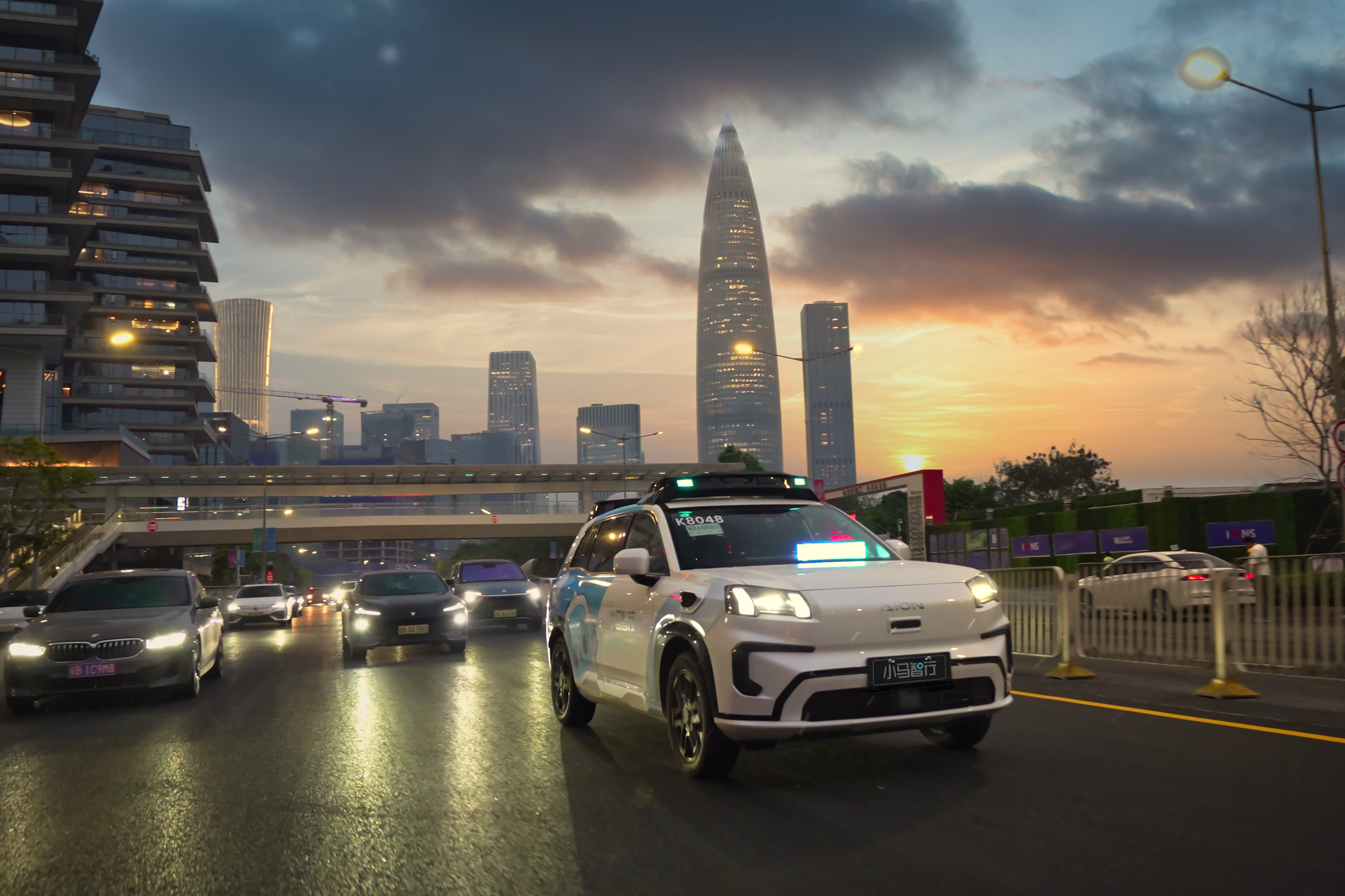
Pony.ai, a global leader in the large-scale commercialization of autonomous driving technology, today announced that it has achieved seventh-generation (“Gen-7”) Robotaxi unit economics (“UE”) breakeven in the southern Chinese city of Shenzhen.
The milestone follows the company’s announcement of UE breakeven in Guangzhou late last year, representing further progress toward establishing a sustainable and scalable business model for large-scale Robotaxi commercialization.
Driven by surging user demand and continued operational optimization, Pony.ai’s commercial operations in Shenzhen have delivered strong performance. For the month of February, the one-month daily average net revenue per Gen-7 Robotaxi reached RMB 338, with an average of 23 orders per vehicle per day, supporting the achievement of monthly unit economics breakeven.

“The latest achievement in Shenzhen marks another important validation of our technology readiness and commercialization strategy,” said Dr. James Peng, Founder and Chief Executive Officer of Pony.ai. “Reaching unit economics breakeven in two Tier-1 Chinese cities demonstrates that autonomous mobility is not only technically viable, but also economically sustainable at scale.”
These results underscore the company’s effective monetization strategy and competitive product offering, delivering a premium autonomous mobility experience that is driving broader user acceptance and increasing ride frequency.
Pony.ai launched commercial operations in Shenzhen in March 2025 after securing the city’s first permit to operate paid fully driverless Robotaxis in Nanshan District, one of Shenzhen’s central economic hubs. Commercial services were rolled out in both Nanshan and Baoan districts.
In October, the company obtained Shenzhen’s first citywide permit for fully driverless commercial Robotaxi operations. Fleet deployment accelerated in November with the scaled rollout of Gen-7 vehicles. The service area expanded rapidly from 21.7 square kilometers at launch to 167.4 square kilometers by December 2025.
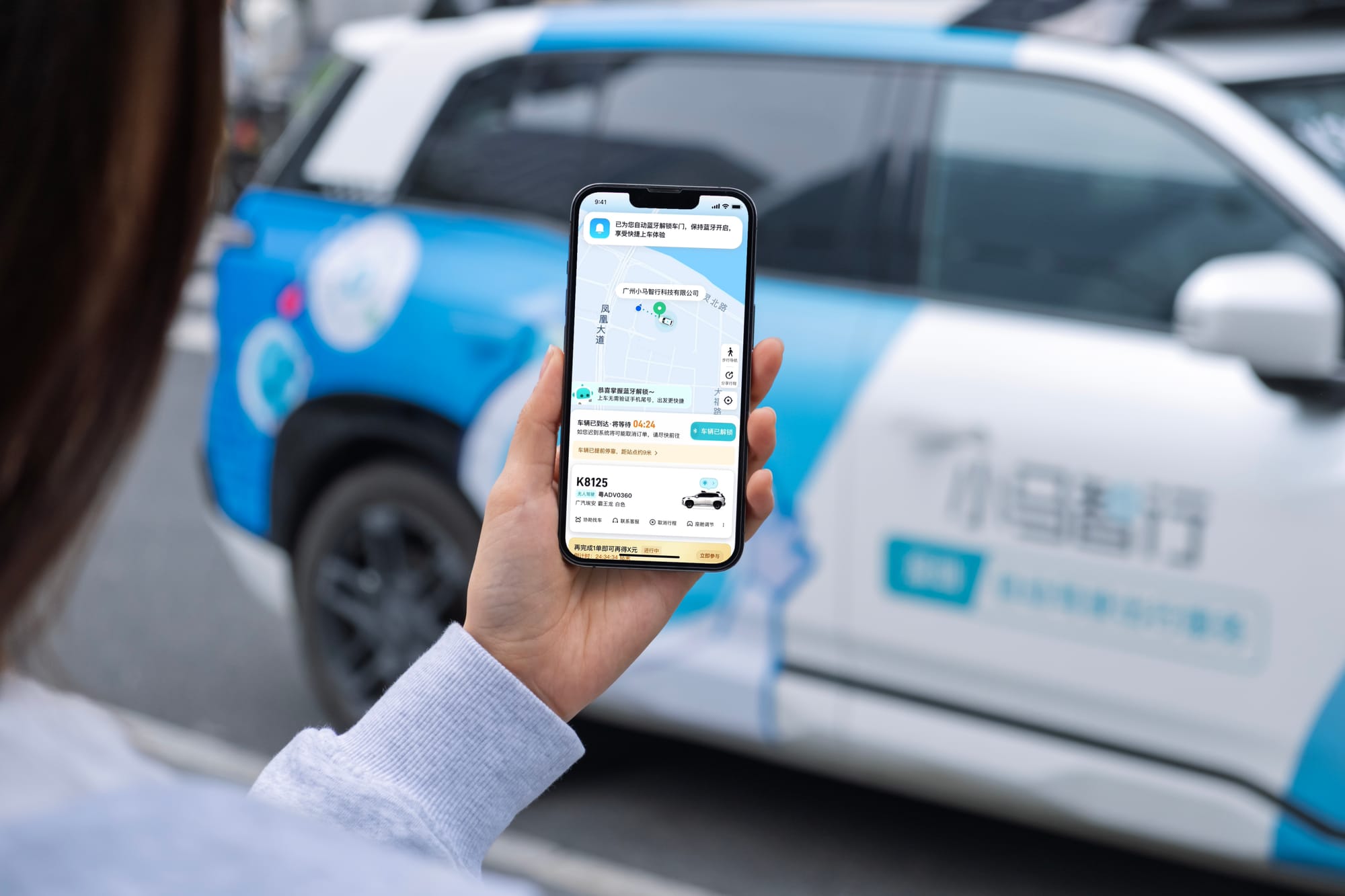
Enhanced ride comfort in the Gen-7 Robotaxis has further supported user adoption. The Gen-7 platform improves the rider experience with features such as Bluetooth-based automatic vehicle unlocking, in-cabin voice interaction, online music services, and pre-trip climate control. Refined acceleration and braking calibration also help minimize motion discomfort.
As Shenzhen continues to embrace autonomous mobility, Pony.ai has seen accelerating user adoption since the beginning of this year. As of February 16, year-to-date paid Robotaxi orders in the city have already surpassed the company’s total paid orders for the full year of 2025. During the Chinese New Year holiday period, Robotaxis averaged 26 paid orders per vehicle per day in Shenzhen, compared with an average of 15 daily rides per vehicle across its China fleet from early 2025 through the company’s Hong Kong listing in November.
Beyond user experience improvements, operational efficiencies and structural cost reductions have also contributed directly to stronger unit economics. The company’s unit economics assessment reflects a comprehensive cost structure, encompassing vehicle and autonomous driving kit depreciation, charging expenses, maintenance, remote operations, insurance, labor, as well as parking and network infrastructure costs.
In particular, Pony.ai’s Gen-7 system utilizes 100% automotive-grade components, with bill-of-materials (BOM) costs reduced by 70% compared with the previous generation. Robust AI algorithms and fleet management capabilities have further supported efficient Robotaxi utilization and a streamlined remote-assistant-to-vehicle ratio.
Achieving unit economics breakeven in both Shenzhen and Guangzhou, two of southern China's economic powerhouses, demonstrates Pony.ai’s ability to replicate a sustainable commercialization model across major markets, reinforcing its position as a leader in autonomous mobility commercialization.
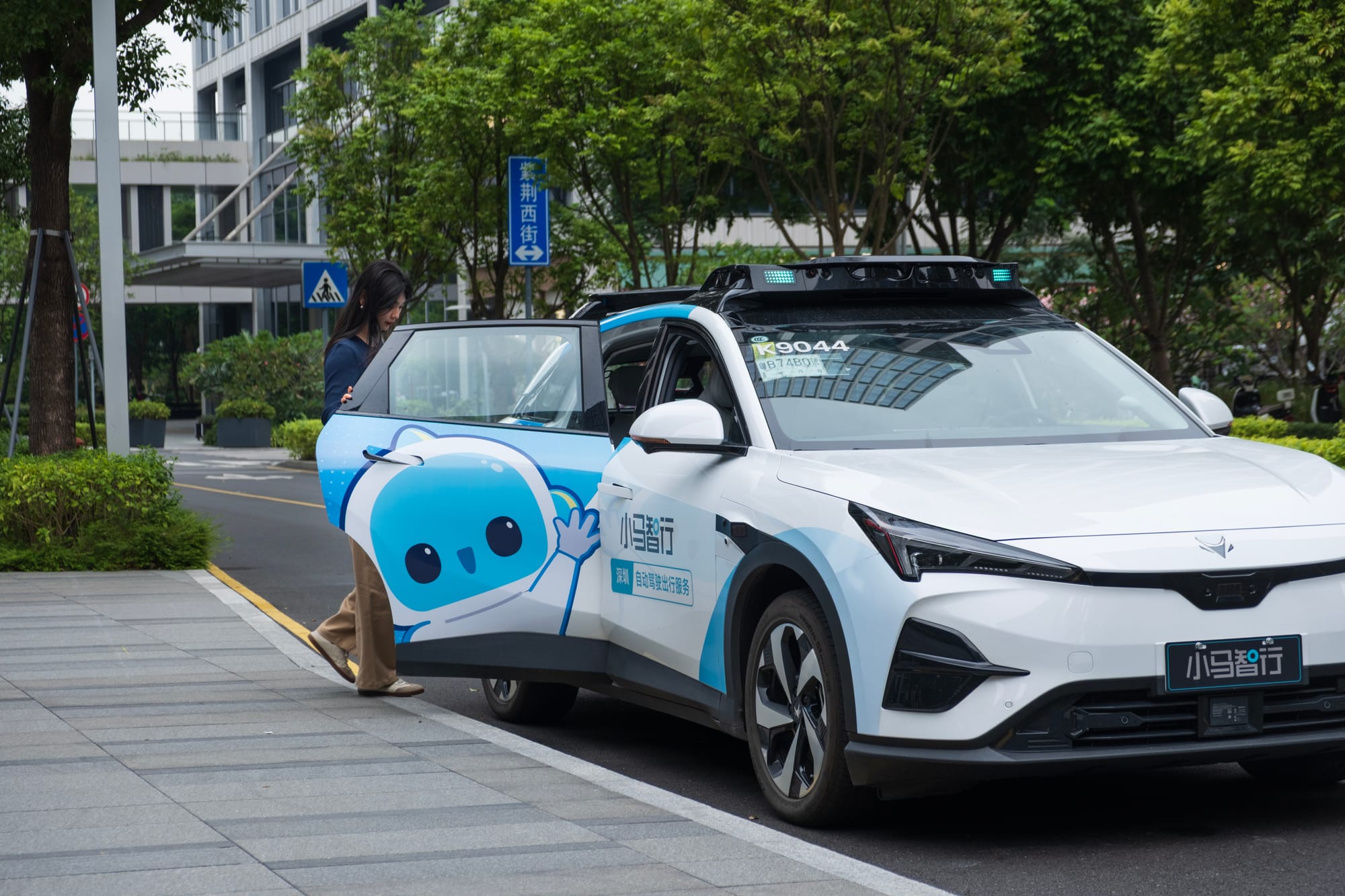
Looking ahead, Pony.ai will focus on expanding fleet scale in tier-1 Chinese cities while maintaining unit economics at or around current levels, subject to normal operational fluctuations. By scaling vehicle deployment, the company aims to grow total paid orders and revenue, further improving operating leverage and bringing safe, comfortable, and high-quality autonomous mobility services to more urban residents.