From China to Europe: Scaling Pony.ai’s Gen-7 Through a Proven, Capital-Efficient Model
For Pony.ai, the deployment in Croatia marks more than the start of a new partnership. It is the next step in a commercialization path we have been building over the past several years: proving our technology in large and complex Chinese cities, validating the operating model at scale, and then extending that proven platform into new international markets through strong local partnerships.
In Europe, we see our role as the autonomous driving technology provider and enabler. Our approach to overseas markets is to work with strong local ecosystems, combining our proven technology with local strengths in operations, market access, and regulatory execution.
That clarity comes from experience. As an industry pioneer, we have worked across the broader value chain in China to validate not only the technology itself, but also the commercial viability of fully driverless robotaxi services in complex urban traffic environments. Through collaboration across the ecosystem, we have built a deeper understanding of how autonomous mobility can scale in practice. That experience gives us confidence as we expand into overseas markets, where we believe building localized ecosystems with local partners and sharing value across the value chain is the right long-term approach. It also creates a more capital-efficient way for Pony.ai to scale while supporting the broader development of the industry.
Confidence is grounded in results. With Gen-7 already delivering meaningful commercial progress in China, Pony.ai is now extending that momentum into international markets. Europe is an important place to do that, and this launch in Zagreb positions Pony.ai at the forefront of commercial robotaxi deployment in the region while creating a foundation for long-term growth as overseas markets continue to scale.
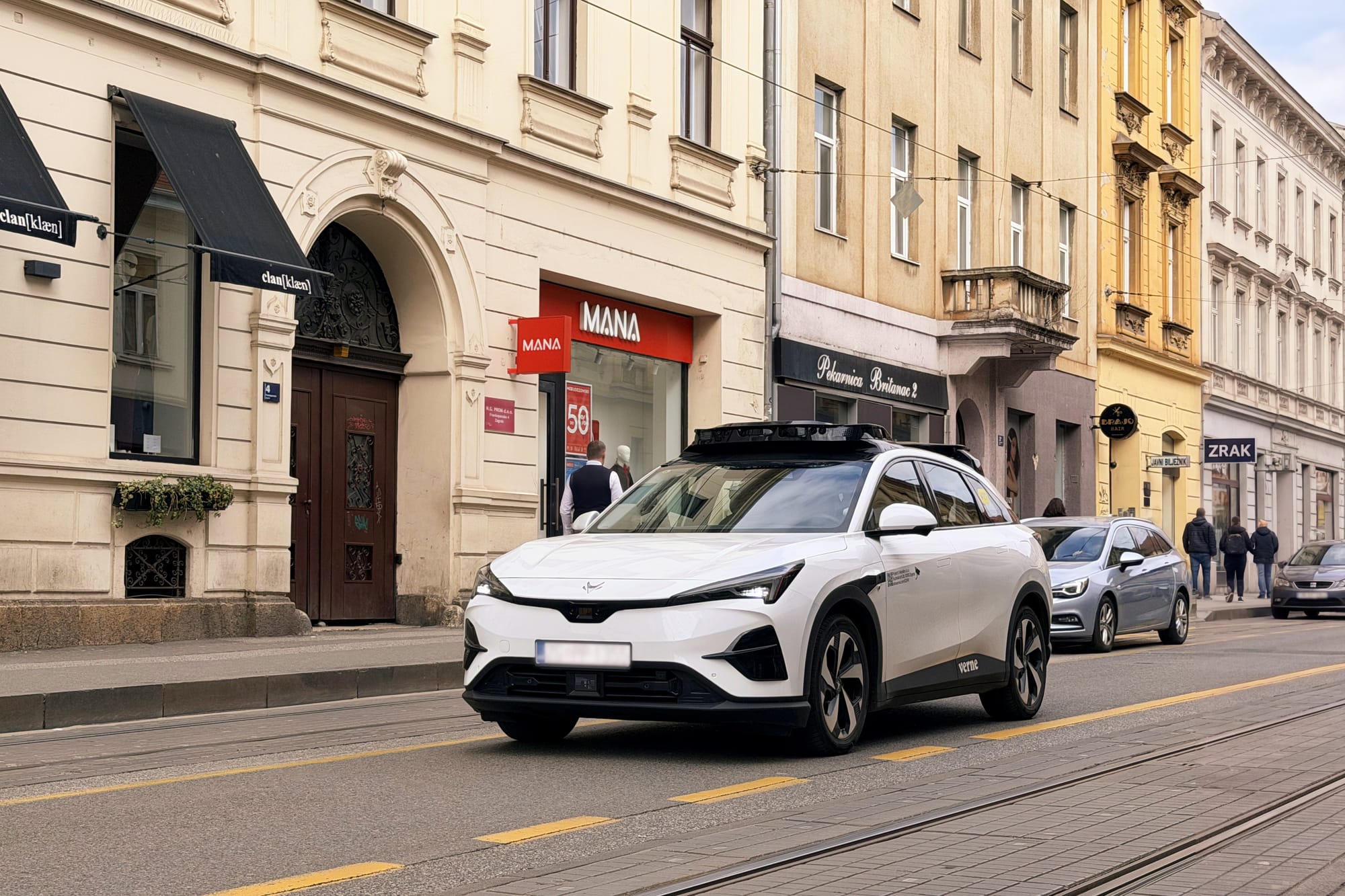
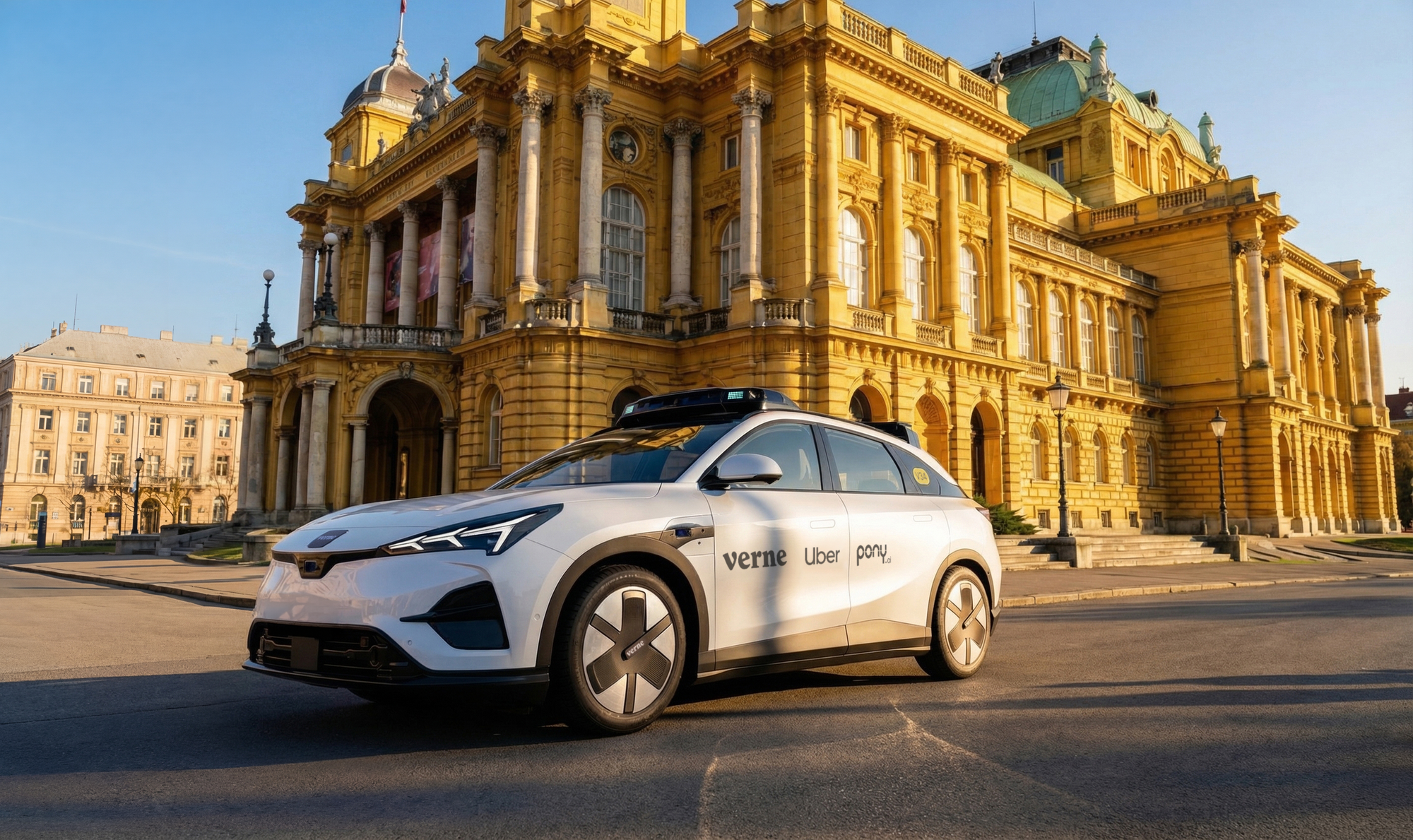
With Gen-7 robotaxis now deployed in Zagreb, Pony.ai is bringing a business model already commercialized in China into Europe through a partnership approach built around its proven autonomous driving technology and strong local collaboration
Q&A with Dr. James Peng, Founder and CEO of Pony.ai
What makes the Croatia deployment strategically important for Pony.ai?
James Peng: Croatia is an important next step in our international expansion. We have already shown in China that Gen-7 can move from technology validation to real commercial deployment. Now, with Gen-7 deployed in Zagreb, we are beginning to extend that proven capability into Europe. Croatia is also strategically attractive because of its geographic position. As a gateway connecting Central, Eastern, and Southern Europe, it offers a compelling entry point into a broader regional market. At the same time, Croatia has a strong tourism profile and attracts large numbers of international visitors each year, which adds another dimension to long-term mobility demand. That creates room to think about robotaxi services not only as a local urban mobility solution for residents, but also as part of a broader transportation experience for travelers. Just as importantly, this launch reflects the kind of international model we believe can scale effectively: Pony.ai brings proven autonomous driving technology, while strong local partners help enable deployment, operations, and market access.
How does the partnership with Verne and Uber reflect Pony.ai’s approach to international expansion?
James Peng: This partnership is a good example of how we think autonomous mobility can scale across markets. Pony.ai provides the autonomous driving solution, Verne acts as fleet owner and service operator while leading localization and market readiness, and Uber brings access to its global ride-hailing network. Each party plays to its strengths. For Pony.ai, that means we can stay focused on our core technology while working with strong local partners across deployment and operations. Over time, this creates a more efficient and scalable path to international expansion, with the potential for Pony.ai to share in recurring revenue streams generated through local commercial service. At the same time, it also allows partners to participate directly in the operational value and long-term growth of the robotaxi ecosystem in their own markets.
What from China gives Pony.ai the confidence to take Gen-7 into Europe?
James Peng: The biggest source of confidence is the milestone we achieved with Gen-7 in China's teir-1 cities. In China, Gen-7 has already delivered the commercial proof points that matter, including city-wide unit economics breakeven in Guangzhou in late 2025 and unit economics breakeven in Shenzhen in March 2026, just months after the start of Gen-7 commercial operations. This is not a system that works only in testing. It is a platform already demonstrating scalability, operating efficiency, and growing commercial potential in live urban environments. That experience also helps us define more clearly how to work with partners as we expand internationally.
Will Zagreb’s local traffic and weather conditions pose a challenge to Pony.ai’s technology?
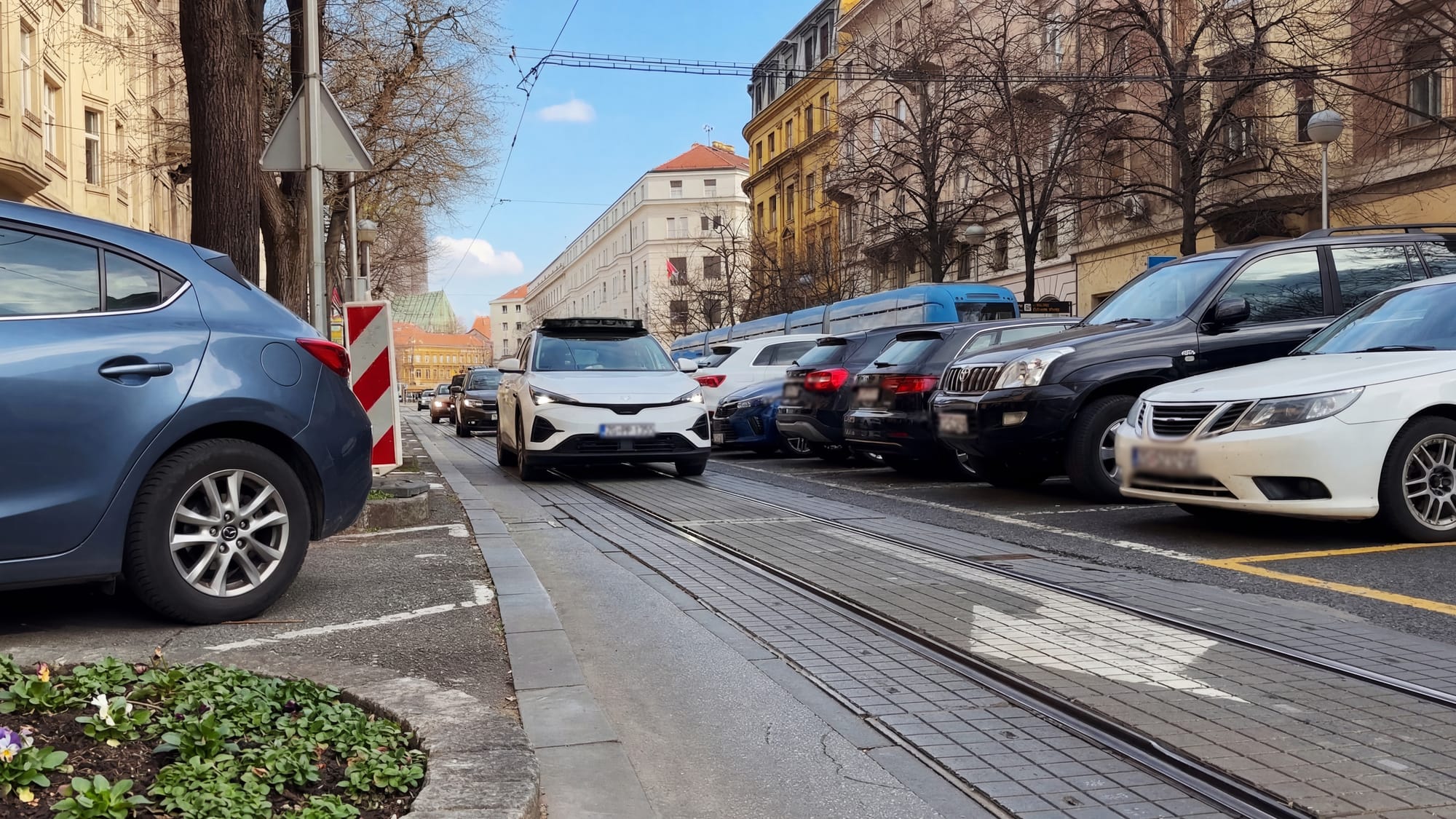
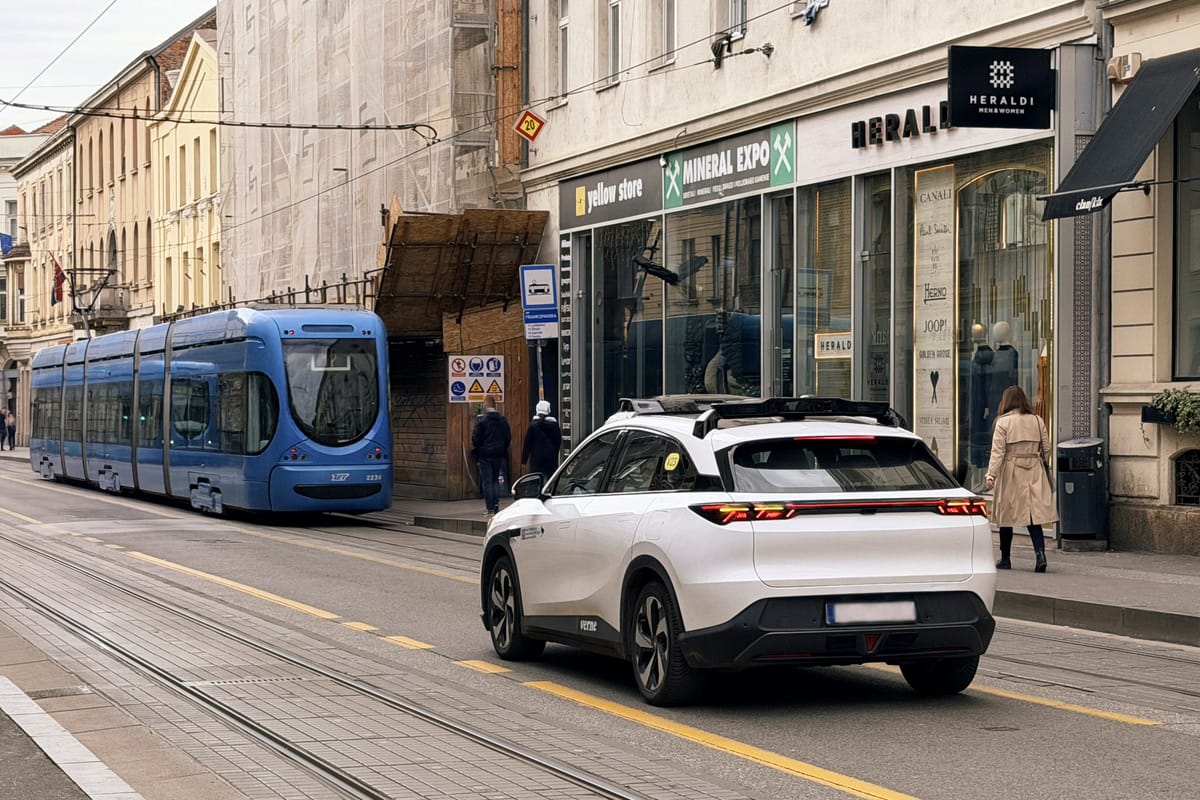
James Peng: Zagreb is a meaningful market precisely because it presents the kind of real-world conditions autonomous driving systems need to handle. As Croatia’s capital, it offers a dense urban environment rather than a limited demonstration setting. The city combines older European street layouts, active tram lines, buses, pedestrians, cyclists, and mixed traffic, making it a strong setting to demonstrate how Gen-7 robotaxis and our Virtual Driver technology can adapt to different road geometries, traffic patterns, and operating styles. Seasonal weather such as rain, fog, cold winters, and occasional snow adds another layer of complexity, but these are not unusual conditions for us. In China, we have already operated Robotaxi services through severe weather and complex urban traffic, which gives us confidence as we bring Gen-7 into a city like Zagreb.