
From Breakthrough to Scale: Pony.ai CEO James Peng on the Future of Autonomous Mobility
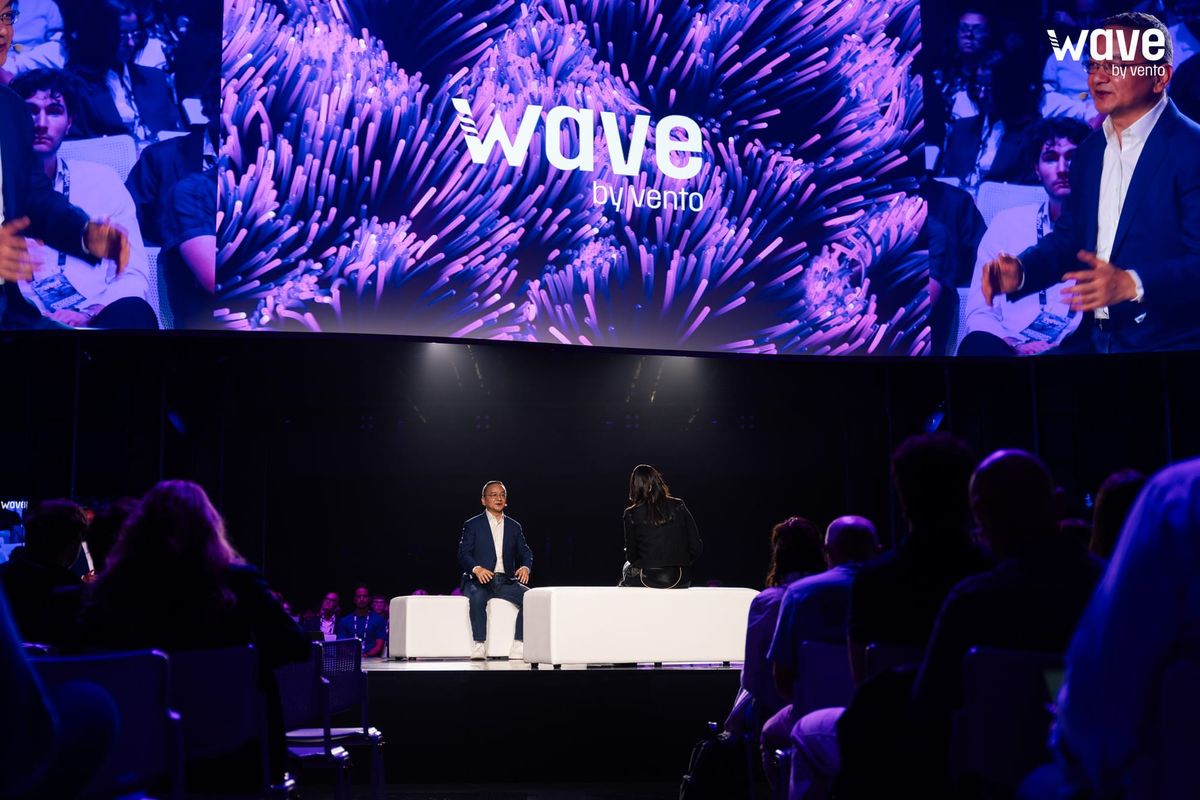
At Wave by Vento 2026 in Turin, Italy, Pony.ai founder and CEO James Peng joined Morgan Samet of Lingotto for a fireside chat on the evolution of autonomous driving and what lies ahead for the industry.
Drawing on nearly two decades of experience, James reflected on the journey from early research to fully driverless operations, why he believes the industry has reached a turning point, and what it takes to bring Robotaxi services to more cities worldwide. The conversation also explored Pony.ai's international expansion, the role of partnerships and how autonomous mobility could reshape urban transportation.
The following conversation has been edited and condensed for clarity and readability.
Morgan Samet: You've worked on autonomous driving for nearly 20 years. When did you become convinced that fully driverless technology was achievable?
James Peng: Driving is a relatively structured problem within physical AI. Roads and traffic rules are designed by humans, so even though unexpected situations happen all the time, we believed 10 or 15 years ago that the problem could eventually be solved.
But believing something is possible is different from seeing it work in the real world.
For me, a defining moment came in early 2023, when Pony.ai began fully driverless operations on public roads across hundreds of square kilometers. That gave us confidence in both the technology and its real-world regulatory feasibility.
Since then, we've progressed to serving real passengers at scale. Our Robotaxis complete around 20 to 25 rides per vehicle per day on average, and we're providing tens of thousands of rides daily.
Seeing people actually use the service is what gives us confidence that the industry's inflection point has already arrived.
Morgan Samet: What is your vision for Pony.ai over the next five to ten years?
James Peng: The biggest challenge ahead is scaling to many more cities.
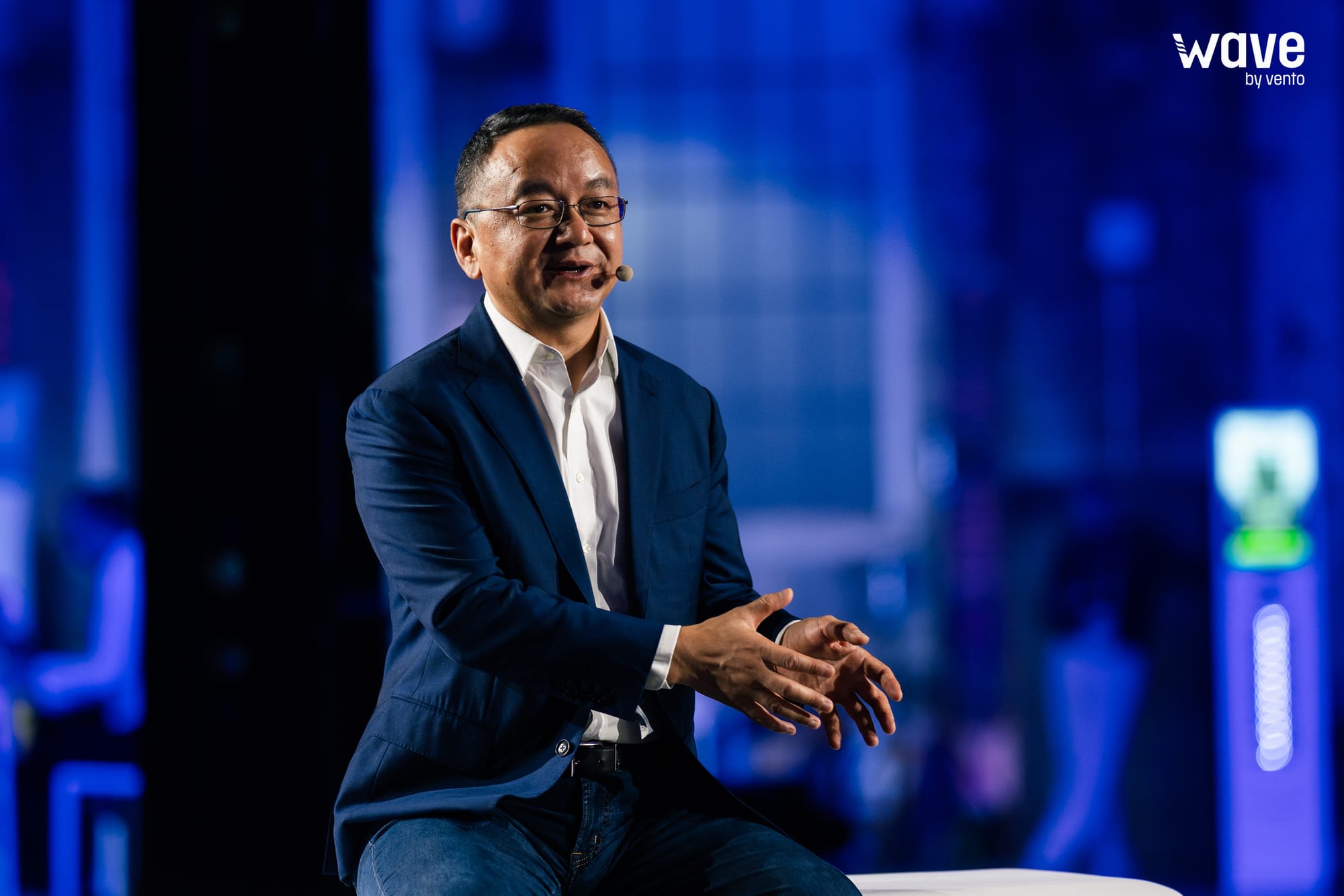
We've demonstrated that fully driverless Robotaxis can serve real passengers. But scaling isn't just a technical challenge. It also involves regulation, public acceptance, branding and ecosystem partnerships. All these elements need to come together.
Our priority is to expand our fleet and bring the service to more cities.
There's also a positive cycle that comes with scale. As more people experience how safe, reliable and enjoyable Robotaxi rides can be, public confidence grows. That can encourage wider adoption and create a stronger foundation for regulatory support.
Ultimately, we want autonomous mobility to become part of everyday transportation.
Morgan Samet: How do you approach international expansion, particularly in Europe and the Middle East?
James Peng: Transportation is highly regulated, and introducing a new technology takes time. Regulators understandably take a cautious approach because passenger and road safety are directly involved.
When evaluating new markets, we look at three main factors: market potential, including local taxi fares; a supportive regulatory environment; and strong local partners.
Europe is particularly important to us, although we approach it city by city rather than as a single market.
We're already expanding our presence through projects in Zagreb and Luxembourg, and we've announced plans to bring Pony.ai Robotaxis to London in partnership with Uber. We see significant opportunities to expand into additional European cities.
Morgan Samet: What role do partnerships play in Pony.ai's expansion model?
James Peng: We see our role as providing the Virtual Driver.
Traditional taxi services involve several participants: automakers produce vehicles, mobility platforms connect passengers with rides, drivers provide the service, and fleet operators manage daily operations.
We're providing a Virtual Driver that delivers a safe, reliable and enjoyable ride. But the rest of the ecosystem is still essential.
That's why we work with automakers, ride-hailing platforms such as Uber, and local fleet operators that handle charging, cleaning, maintenance and other operational needs.
Bringing these capabilities together helps us deploy Robotaxi services efficiently in different markets.
Morgan Samet: What has enabled Pony.ai to bring down the cost of autonomous driving technology?
James Peng: A major factor is the broader supply chain and industrial ecosystem.
Autonomous vehicles rely on components such as LiDARs, cameras and other sensors. Their costs are closely tied to manufacturing scale. As production volumes increase, unit costs come down.
The rapid growth of the electric vehicle industry has helped build a mature supply chain, with manufacturers and their suppliers operating at much larger volumes.
This ecosystem has played an important role in making autonomous driving technology more affordable, which is essential to scaling Robotaxi services commercially.
Morgan Samet: Looking 10 years ahead, how could autonomous driving change transportation and everyday life?

James Peng: I expect fully driverless vehicles to account for a growing share of urban transportation.
One major advantage is utilization. Personally owned cars spend much of their time parked, while shared autonomous vehicles can serve many passengers throughout the day.
As Robotaxi services expand, people could request a ride and have a vehicle arrive within minutes. Transportation could become more convenient, comfortable and consistent.
The implications could go beyond mobility. If cities need fewer privately owned vehicles and less parking, we could rethink how urban space is used. Vehicle design could also change significantly once cars no longer need to be built around a human driver.
It's difficult to predict exactly how the future will unfold, but autonomous driving has the potential to reshape both transportation and the cities we live in.
Morgan Samet: What advice would you give founders working on difficult, long-term technical challenges?
James Peng: AI is moving incredibly fast, but profound, lasting change takes time. There will always be ups and downs along the way.
My advice is to stay confident, be patient and keep moving forward. And since we're here at Wave, I'd say: ride the wave, and eventually you'll find your destination.